Belgian Foundation for Nature Restoration Fondation belge pour la restauration de la nature Belgische stichting voor natuurherstel

"Nature does not need us.
We need nature."
« La nature n'a pas besoin de nous.
Nous avons besoin d'elle. »
"De natuur heeft ons niet nodig.
Wij hebben de natuur nodig."

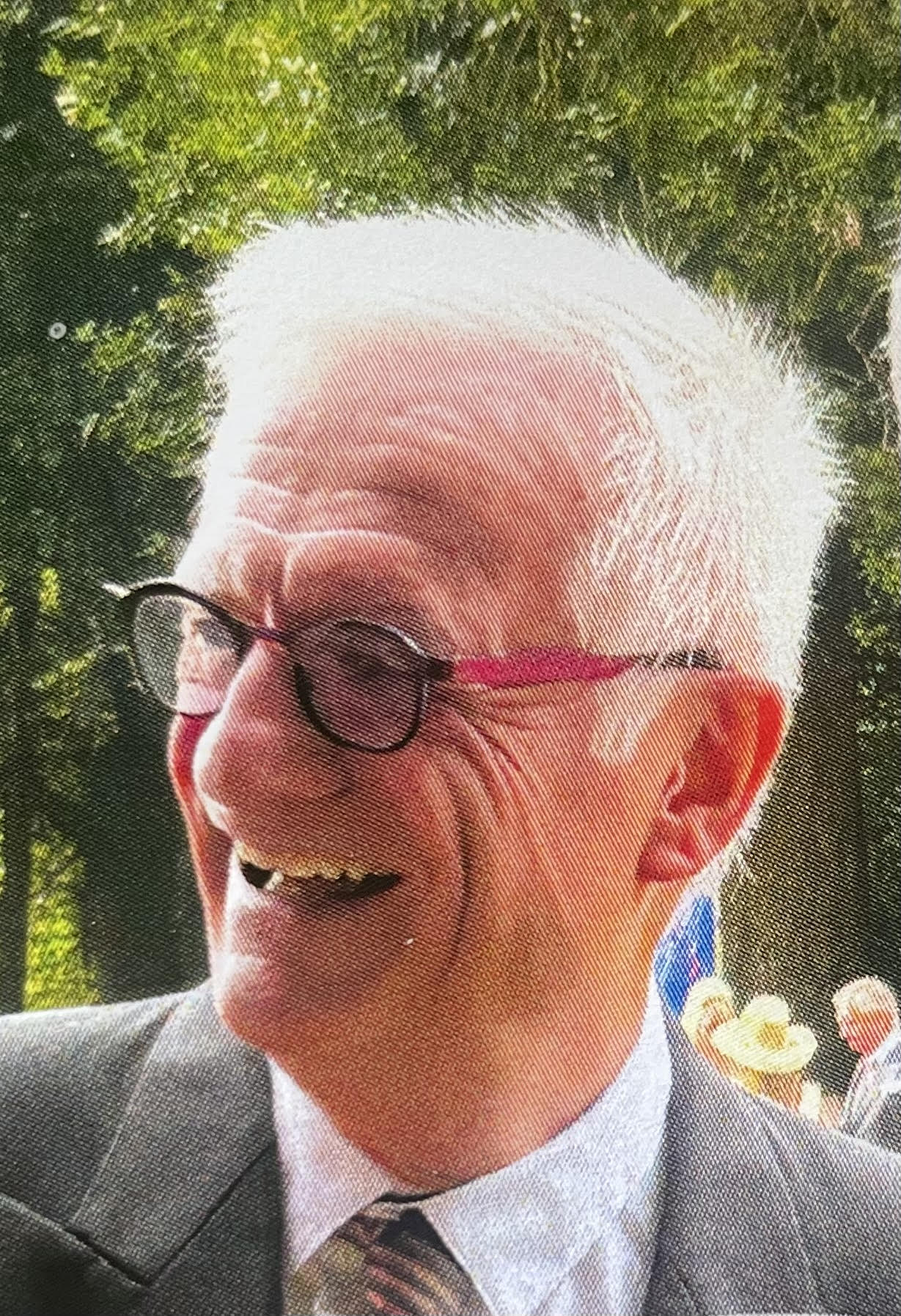
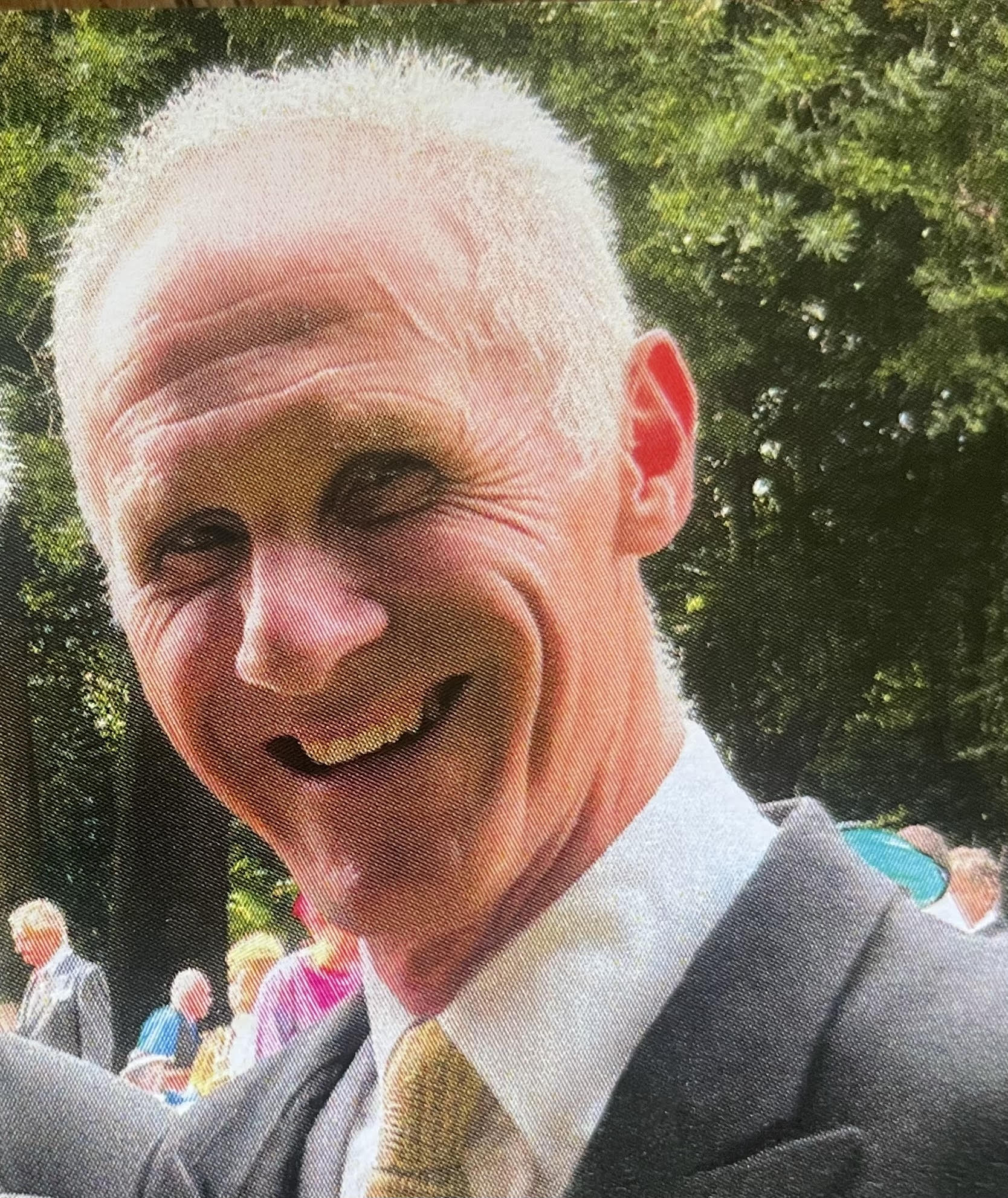
— Christine Frison & Francis Hallé, 2026

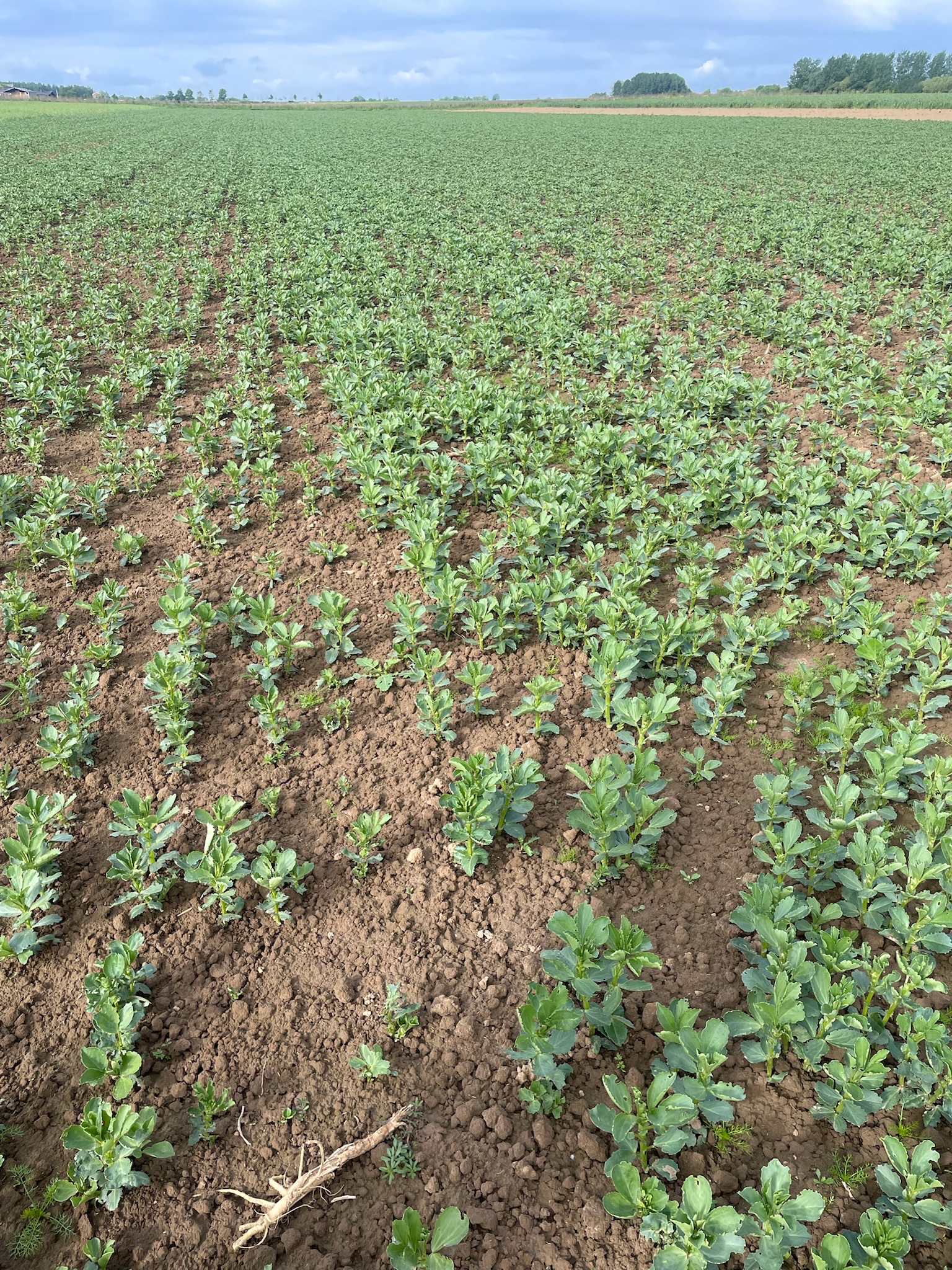
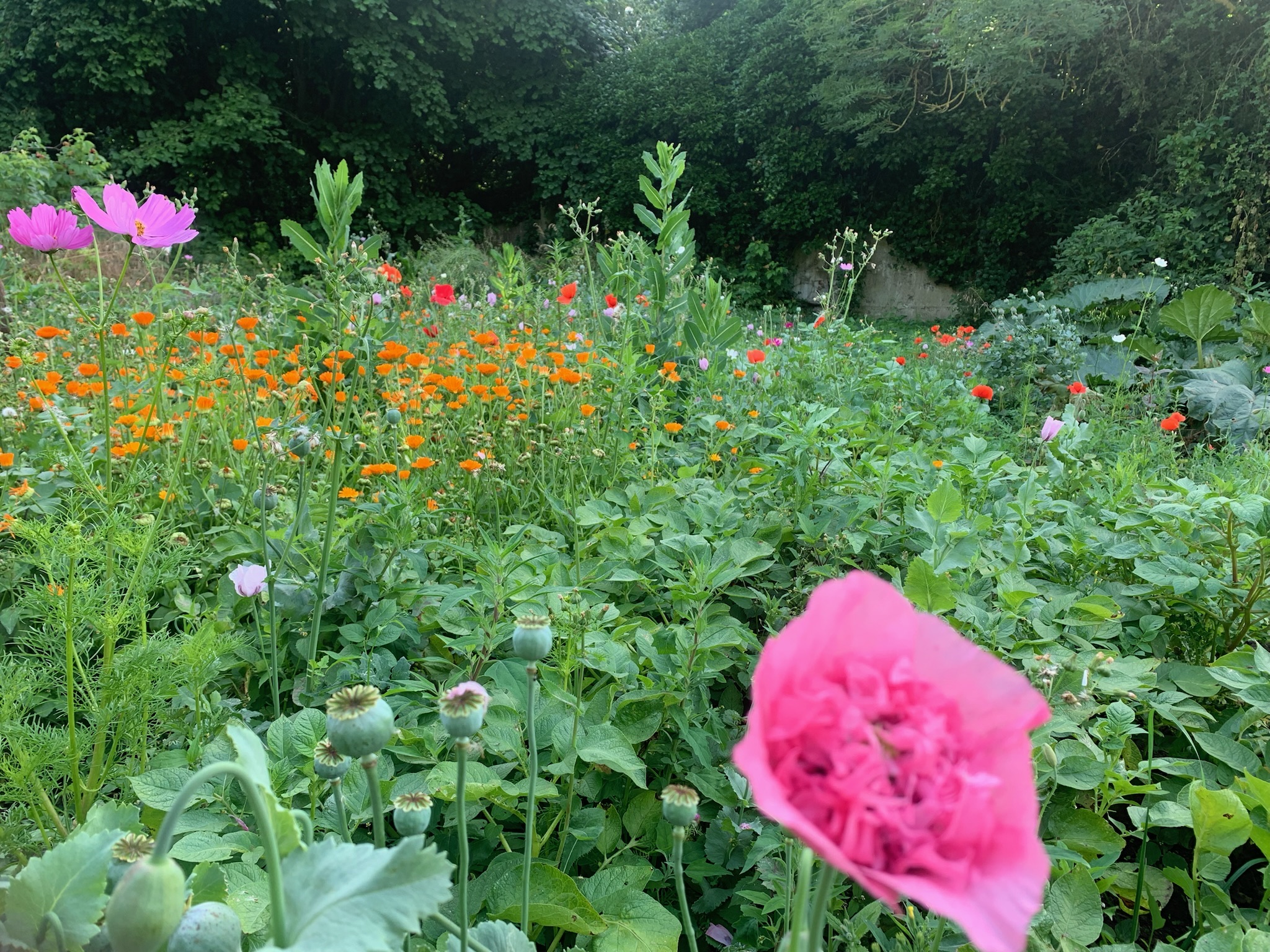
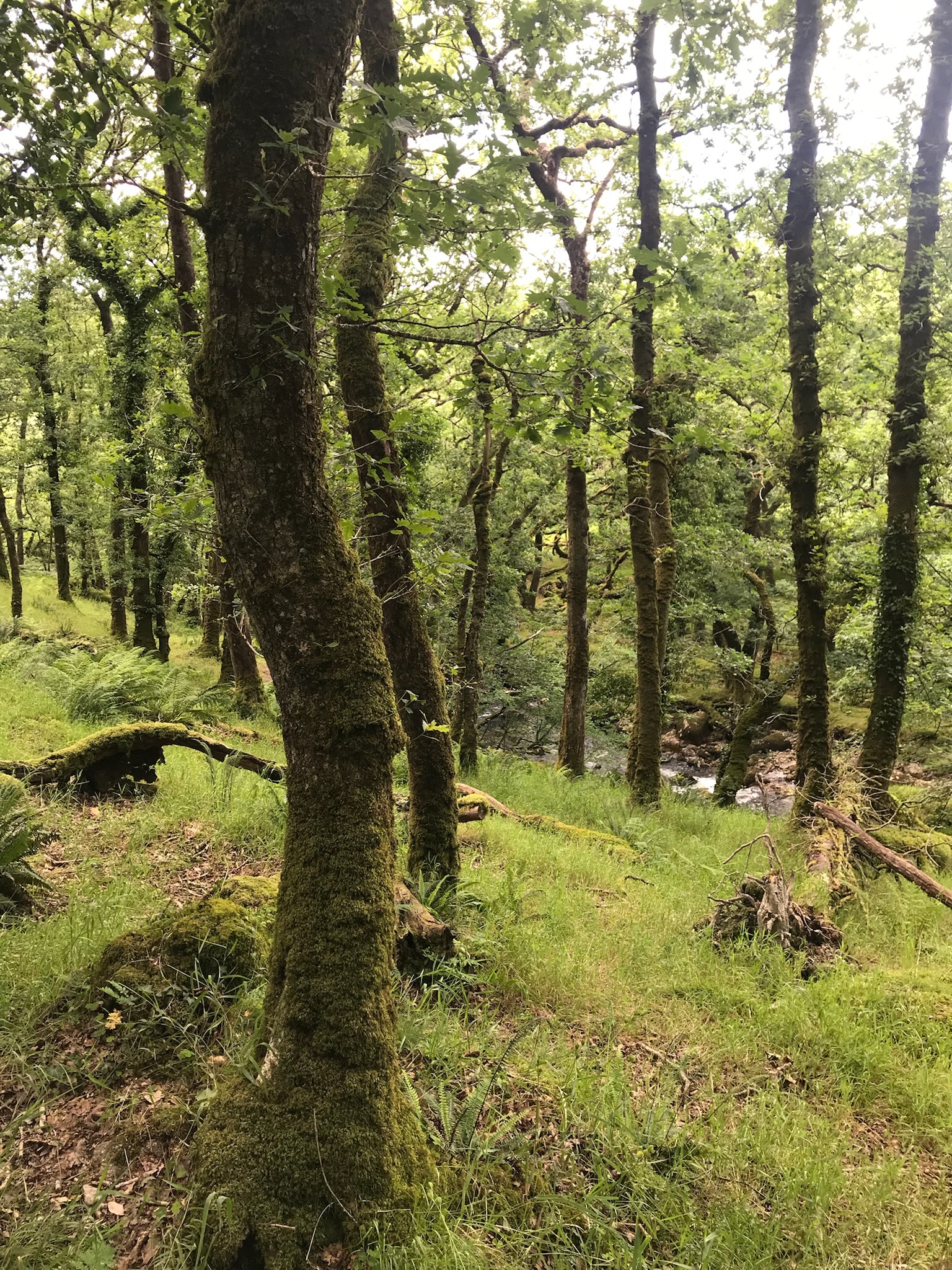
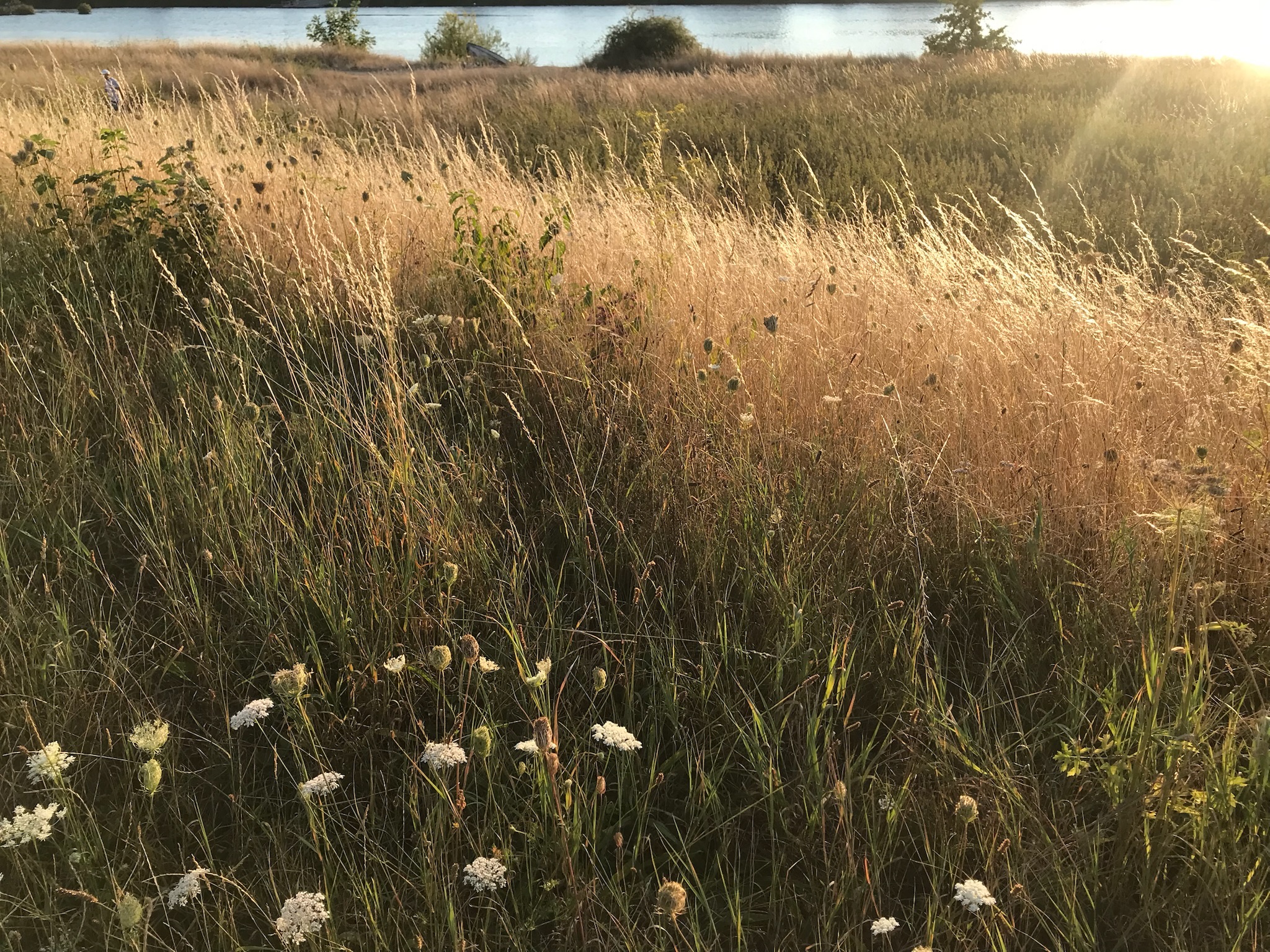
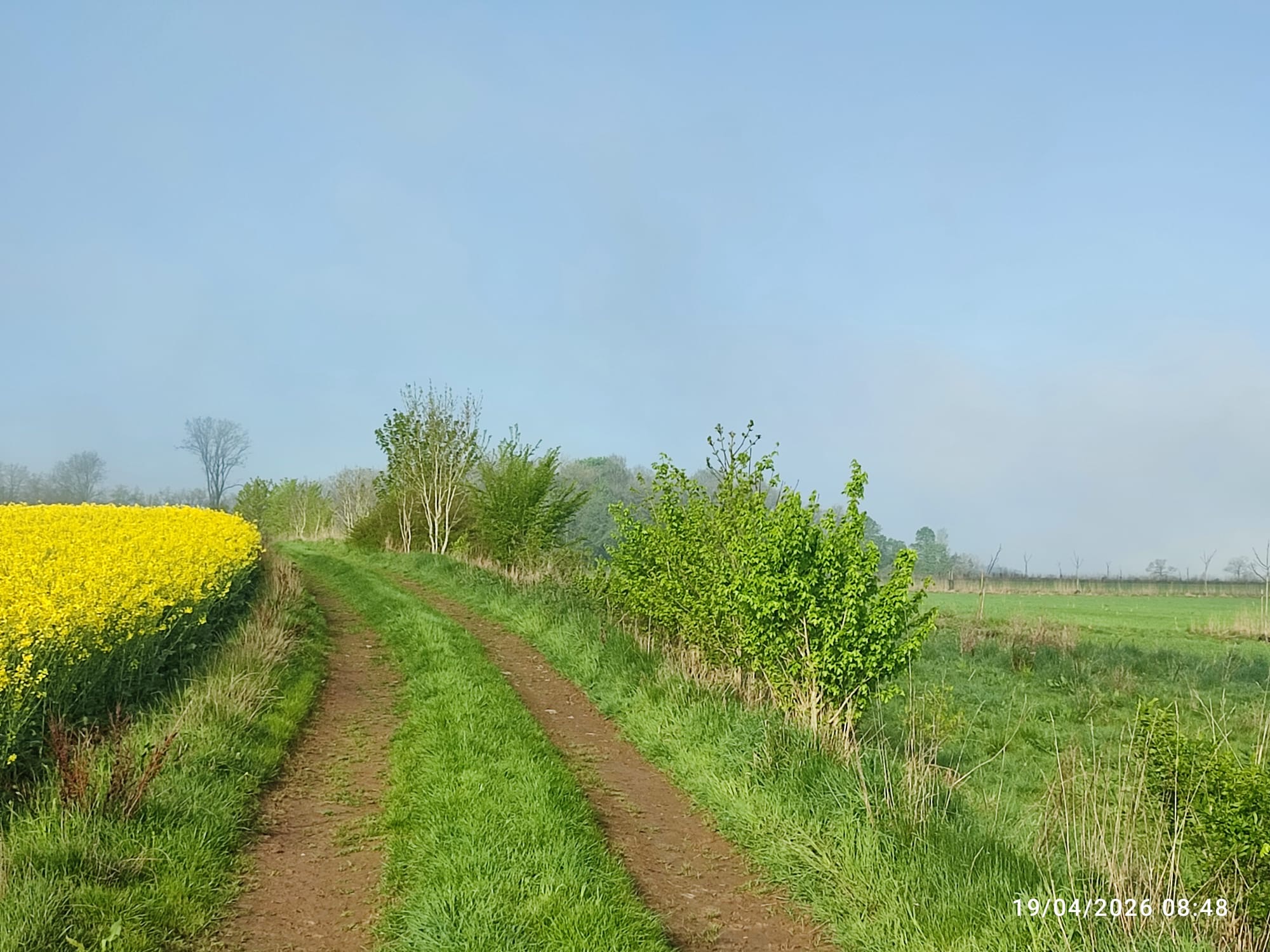
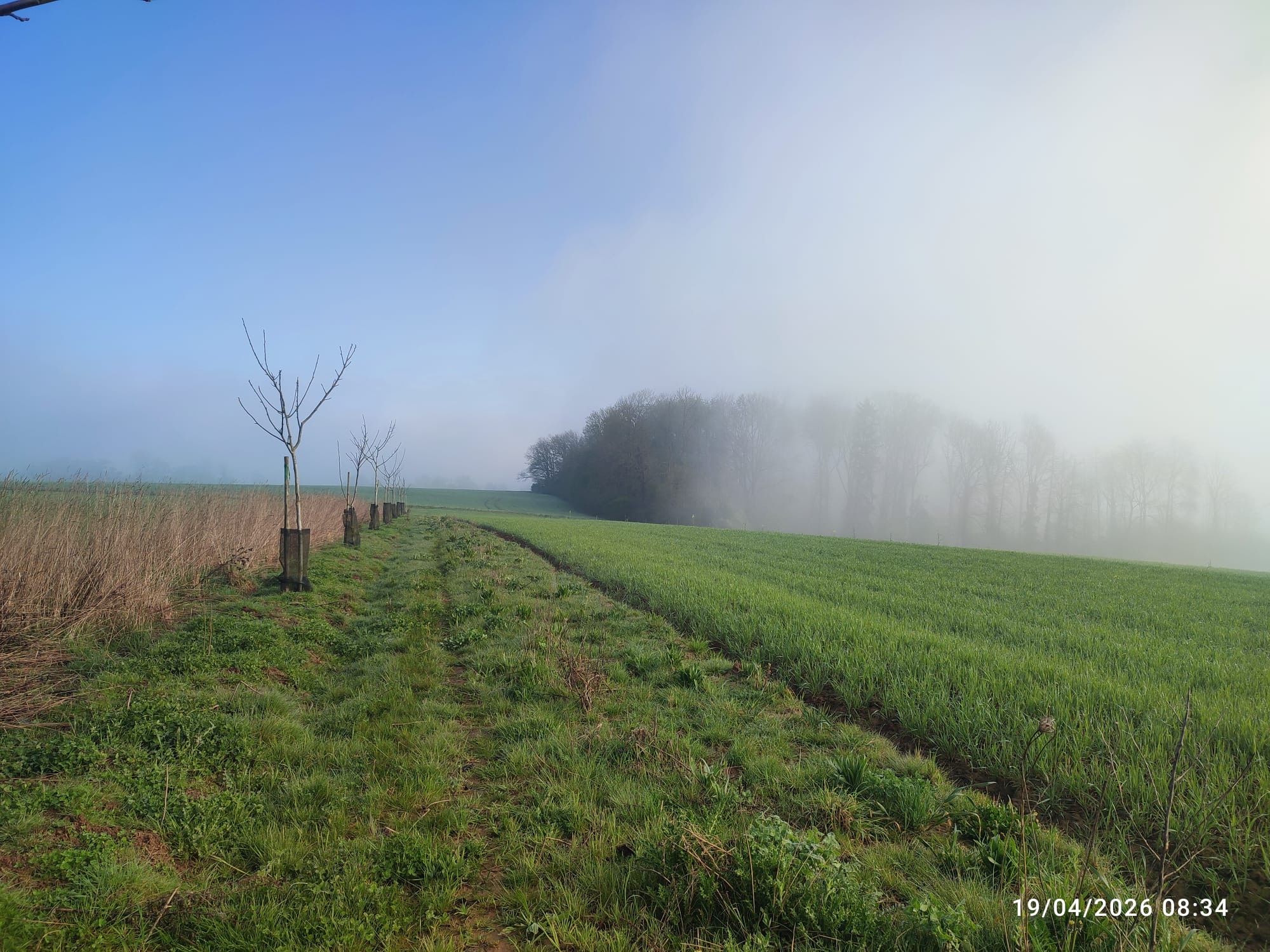
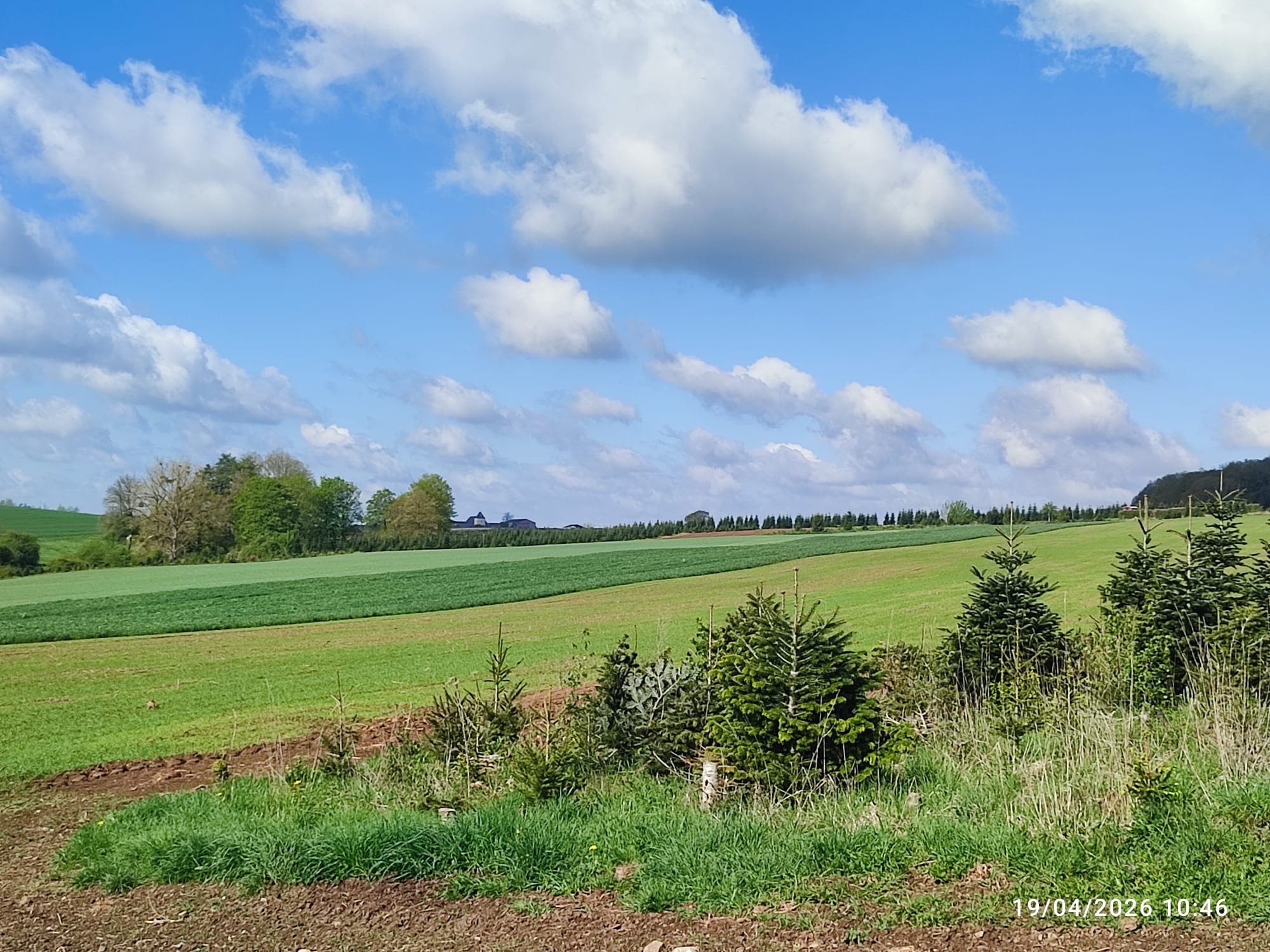
Regenerating nature in rural landscapes through farmer and forester-led economic empowerment. Régénérer la nature dans les paysages ruraux grâce à l'autonomisation économique des agriculteurs et forestiers. Natuur herstellen in landelijke landschappen door economische empowerment van boeren en bosbouwers.

"Where nature is a tree, we are cutting the branch on which we sit." « Là où la nature est un arbre, nous scions la branche sur laquelle nous sommes assis. » "Waar de natuur een boom is, zagen wij de tak af waarop we zitten."

Industrial farming and forestry cause large-scale biodiversity extermination, climate upheavals, and soil death — producing economic instability and accelerating rural migration.

L'agriculture et la sylviculture industrielles provoquent une extermination massive de la biodiversité, des bouleversements climatiques et la mort des sols, sources d'instabilité économique et d'exode rural.

Industriële landbouw en bosbouw veroorzaken grootschalige uitroeiing van biodiversiteit, klimaatverstoringen en bodemerosie — wat leidt tot economische instabiliteit en versnelde plattelandsvlucht.

Our foundation puts local communities at the centre of the solution — farmers and foresters, with a focus on women and youth, building food sovereignty through agroecology.

Notre fondation place les communautés locales au cœur de la solution — agriculteurs et forestiers, avec un accent sur les femmes et les jeunes, développant la souveraineté alimentaire grâce à l'agroécologie.

Onze stichting plaatst lokale gemeenschappen — boeren en bosbouwers, met bijzondere aandacht voor vrouwen en jongeren — centraal in de oplossing, via agroecologie en voedselsoevereiniteit.

Who We Are & What We Do Qui sommes-nous & ce que nous faisons Wie zijn wij & wat doen wij

Mission & Vision Mission & Vision Missie & Visie

🌱 Our Mission 🌱 Notre Mission 🌱 Onze Missie

Empowering farmers and foresters to build blooming rural economies that regenerate natural landscapes and protect the ecosystem services of nature.

Autonomiser les agriculteurs et les forestiers pour qu'ils bâtissent des économies rurales florissantes qui régénèrent les paysages naturels et protègent les services écosystémiques.

Boeren en bosbouwers in staat stellen bloeiende plattelandseconomieën te bouwen die natuurlijke landschappen herstellen en de ecosysteemdiensten van de natuur beschermen.

🔭 Our Vision 🔭 Notre Vision 🔭 Onze Visie

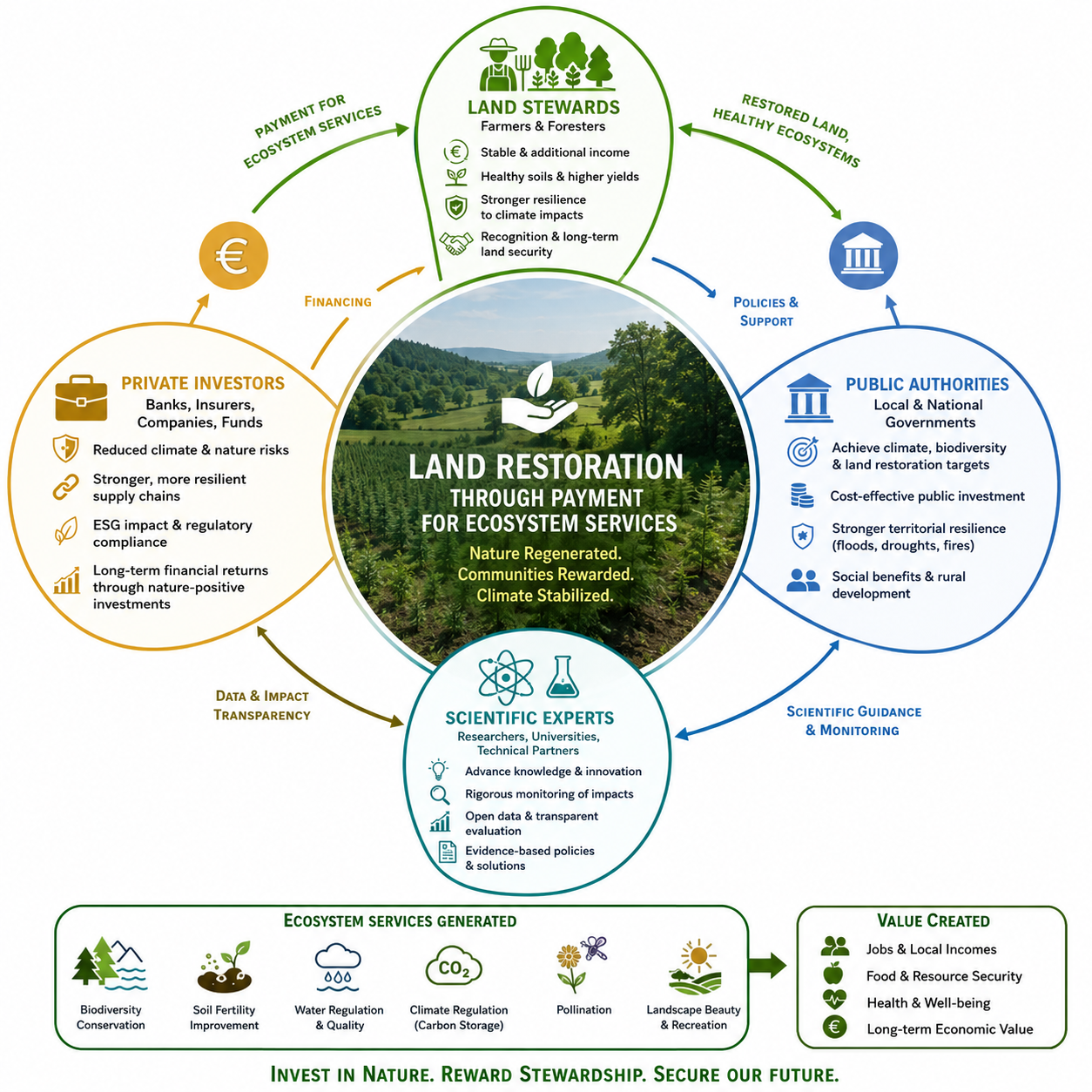
We build a win-win-win between investors, people and nature — integrating economic sovereignty with biodiversity, soil, water and climate restoration. Ecosystem service payments complement farmers' income on top of sustainable food and timber production.

Nous construisons un modèle gagnant-gagnant-gagnant entre investisseurs, populations et nature — en intégrant la souveraineté économique des communautés locales à la restauration de la biodiversité, des sols, de l'eau et du climat.

Wij bouwen aan een win-win-win tussen investeerders, mensen en natuur — door economische soevereiniteit te integreren met herstel van biodiversiteit, bodem, water en klimaat. Betalingen voor ecosysteemdiensten vullen het inkomen van boeren aan bovenop duurzame voedsel- en houtproductie.

🌾

Food Sovereignty & Economic Empowerment Souveraineté alimentaire & autonomisation économique Voedselsoevereiniteit & economische empowerment

We support entrepreneurship in local communities — especially women and youth — to generate a buoyant economy through sustainable farming and forestry.

Nous soutenons l'entrepreneuriat dans les communautés locales, en particulier chez les femmes et les jeunes, pour générer une économie dynamique grâce à une agriculture et une sylviculture durables.

Wij ondersteunen ondernemerschap in lokale gemeenschappen — met name vrouwen en jongeren — om een dynamische economie te creëren via duurzame landbouw en bosbouw.

🌳

Landscape Restoration through Regenerative Agriculture Restauration des paysages par l'agriculture régénérative Landschapsherstel via regeneratieve landbouw

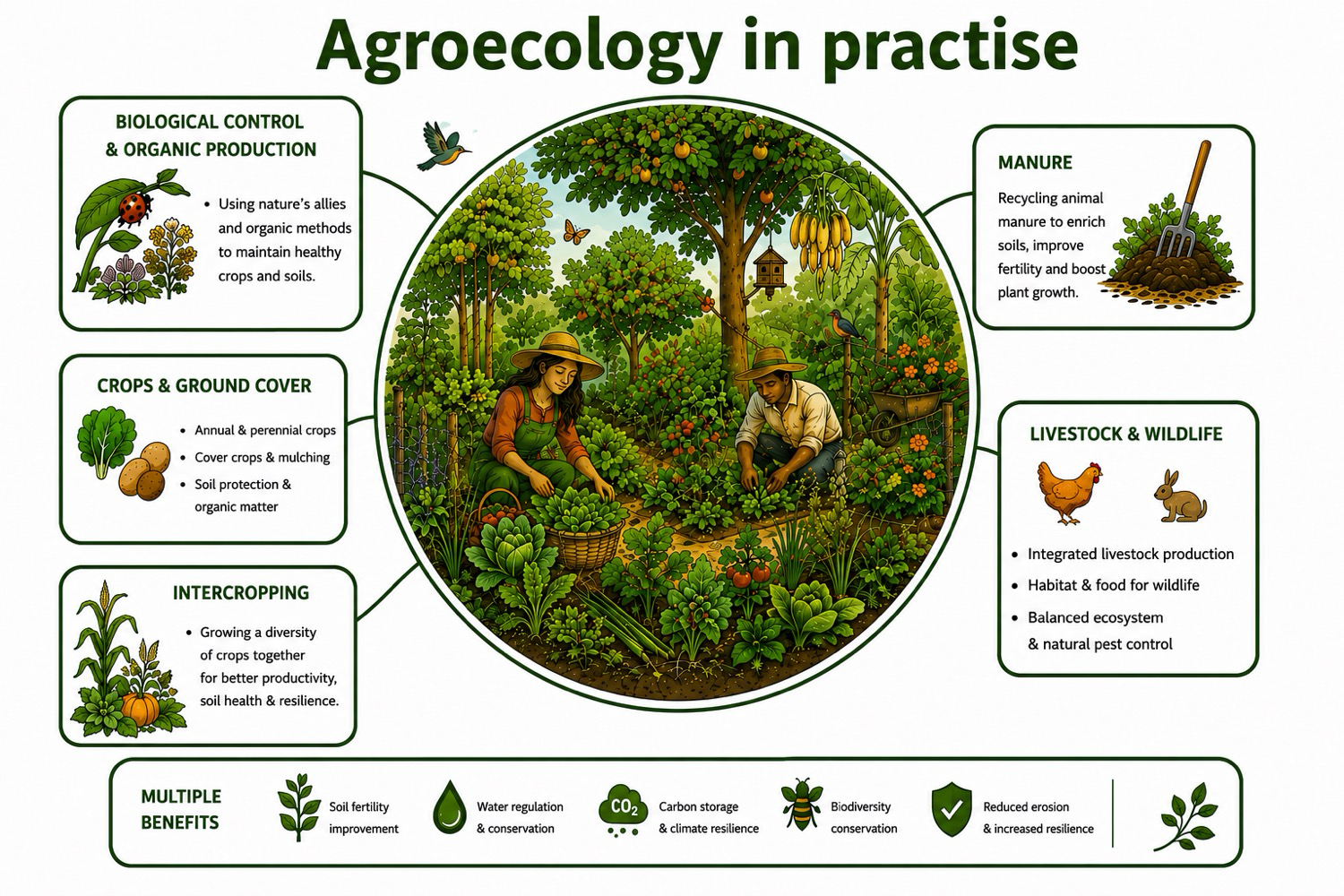
We support practices that restore ecosystem services, soil fertility and biodiversity, preserve water resources, and contribute to climate stability.

Nous soutenons des pratiques qui restaurent les services écosystémiques, la fertilité des sols, la biodiversité, préservent les ressources en eau et contribuent à la stabilité climatique.

Wij ondersteunen praktijken die ecosysteemdiensten, bodemvruchtbaarheid en biodiversiteit herstellen, watervoorraden bewaren en bijdragen aan klimaatstabiliteit.
SDG 1 — No Poverty SDG 2 — Zero Hunger SDG 3 — Good Health SDG 4 — Education SDG 5 — Gender Equality SDG 6 — Clean Water SDG 8 — Decent Work SDG 10 — Reduced Inequalities SDG 12 — Responsible Consumption SDG 13 — Climate Action SDG 14–15 — Life Below & On Land SDG 17 — Partnerships
The People Behind the Foundation Les personnes derrière la fondation De mensen achter de stichting

Who We Are Qui sommes-nous Wie wij zijn

A consortium of experts dedicated to innovative, impactful solutions combining field experience and academic research. Un consortium d'experts dédiés au développement de solutions innovantes et percutantes combinant expérience de terrain et recherche académique. Een consortium van experts toegewijd aan innovatieve, impactvolle oplossingen die veldervaring en academisch onderzoek combineren.

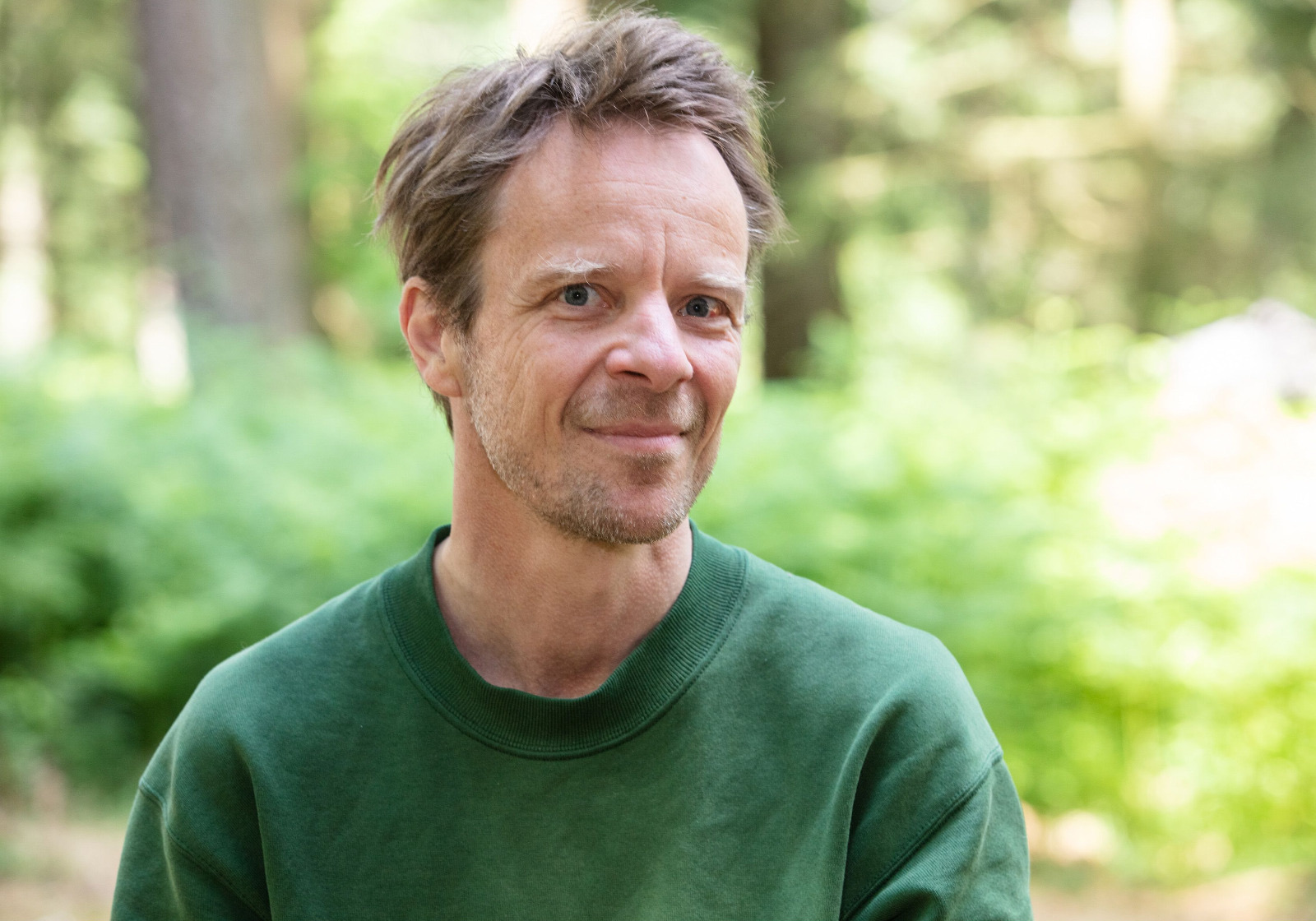
CV

Carl Vandoorne

Co-FounderCo-FondateurMedeoprichter

Co-founder of the Fondation Générations.bio, leading communication and partnership development.

Co-fondateur de la Fondation Générations.bio, responsable de la communication et du développement des partenariats.

Medeoprichter van de Stichting Générations.bio, verantwoordelijk voor communicatie en partnerschapsontwikkeling.

HD

Hubert Del Marmolle

Co-Founder, FarmerCo-Fondateur, AgriculteurMedeoprichter, Boer

Co-founder bringing hands-on farming expertise and deep territorial roots.

Co-fondateur apportant une expertise agricole concrète et un ancrage territorial profond.

Medeoprichter met praktische landbouwexpertise en diepe territoriale wortels.

CN

Prof. Caroline Nieberding

Ecologist — Scientific CommitteeÉcologiste — Comité scientifiqueEcoloog — Wetenschappelijk comité

PhD in Biological Sciences (ULiège, 2005). Professor of Terrestrial Ecology at UCLouvain since 2008. Spokesperson for the scientific committee. Expert for the European Commission "Nature Credits" Group. Belgian Federal Council for Sustainable Development. European Climate Pact Ambassador 2026.

Docteure en sciences biologiques (ULiège, 2005). Professeure d'écologie terrestre à l'UCLouvain depuis 2008. Porte-parole du comité scientifique. Experte pour le groupe « Nature Credits » de la Commission européenne. Ambassadrice du Pacte européen pour le Climat 2026.

Doctor in de biologische wetenschappen (ULuik, 2005). Professor Terrestrische Ecologie aan UCLouvain sinds 2008. Woordvoerder van het wetenschappelijk comité. Expert voor de Europese Commissie "Nature Credits"-groep. Ambassadeur Europees Klimaatpact 2026.

JV

Prof. Jean-Pascal van Ypersele

Climatologist — BoardClimatologue — Conseil d'administrationKlimatoloog — Raad van Bestuur

Renowned climatologist and member of the Board of Administration.

Climatologue renommé et membre du Conseil d'administration de la fondation.

Gerenommeerd klimatoloog en lid van de Raad van Bestuur.

JM

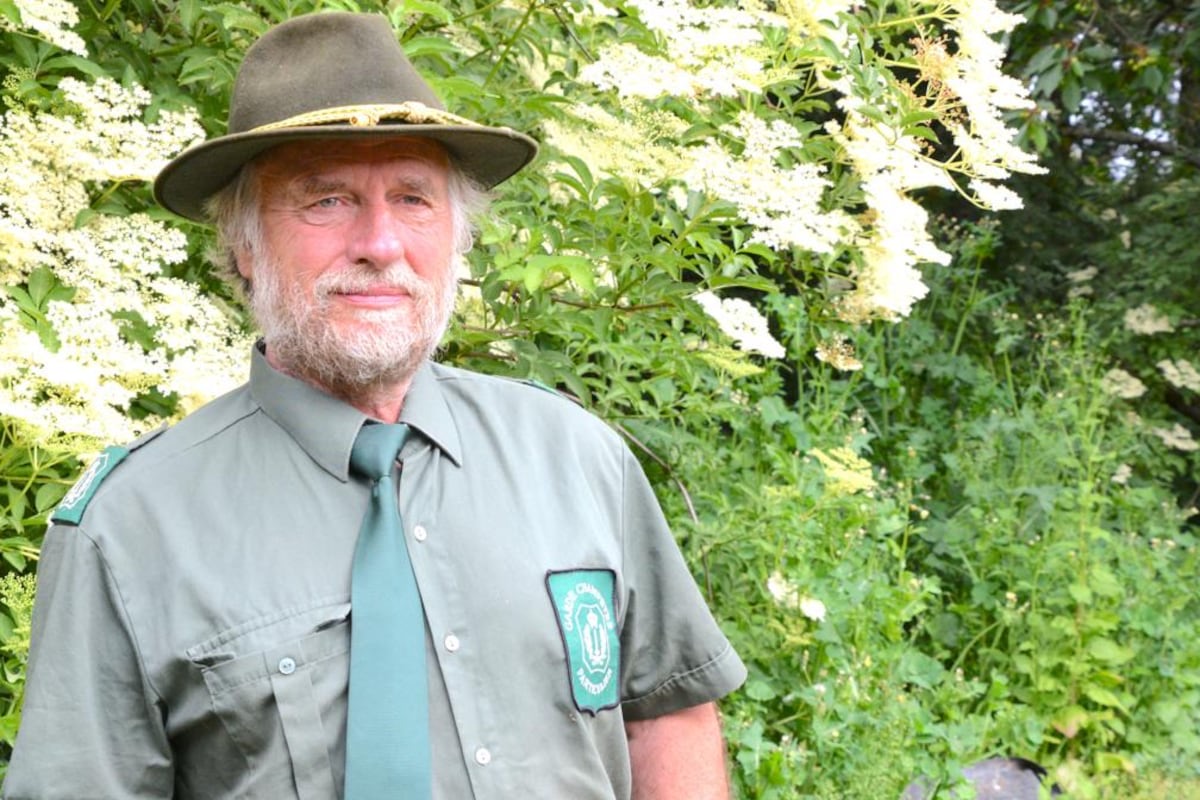
Jean-Claude Mangeot

Belgian ForesterForestier belgeBelgisch bosbouwer

Forester managing Belgium's oldest known forest — the "Bois de Buis".

Forestier gérant la plus ancienne forêt connue de Belgique — le « Bois de Buis ».

Bosbouwer die België's oudst bekende bos beheert — het "Bois de Buis".

JG

Joseph Garrigue

French ForesterForestier françaisFrans bosbouwer

Manager of the first European UNESCO-labelled forest — the "Forêt de la Massane".

Gestionnaire de la première forêt européenne labellisée UNESCO — la « Forêt de la Massane ».

Beheerder van het eerste Europese UNESCO-erkende bos — de "Forêt de la Massane".

Our Approach Notre approche Onze aanpak

Science-Based Nature Restoration Restauration de la nature fondée sur la science Wetenschappelijk gefundeerd natuurherstel

As scientific academics, we ensure money goes to real restoration, with long-term impact and robust multi-indicator monitoring. En tant qu'académiques scientifiques, nous garantissons que les fonds vont à une restauration réelle, avec un impact à long terme et un suivi rigoureux. Als wetenschappelijke academici zorgen wij ervoor dat geld naar echte restauratie gaat, met langetermijnimpact en robuuste monitoring van meerdere indicatoren.

01

Money Goes to Restoring Land, For RealLes fonds vont à la restauration des terres, vraimentGeld gaat naar echte landherstel

We channel resources efficiently to actual land restoration activities — to locally rooted communities who integrate restoration into their way of living and economic model.

Nous canalisons les ressources aussi efficacement que possible vers la restauration effective des terres — vers des communautés enracinées localement qui intègrent la restauration à leur mode de vie.

Wij kanaliseren middelen zo efficiënt mogelijk naar daadwerkelijke landrestauratieactiviteiten — naar lokaal gewortelde gemeenschappen die restauratie integreren in hun manier van leven en economisch model.

02

Long-Term In-Depth RestorationRestauration en profondeur sur le long termeDiepgaand herstel op lange termijn

Nature needs time. We build multi-decade cooperation inspired by Nobel Prize frameworks: Elinor Ostrom (2009) on commons governance, and Esther Duflo (2019) on field-tested solutions to poverty.
La nature a besoin de temps. Nous construisons une coopération pluridécennale inspirée des cadres nobélisés d'Elinor Ostrom (2009) et d'Esther Duflo (2019).

De natuur heeft tijd nodig. Wij bouwen decennialange samenwerking geïnspireerd op Nobelprijskaders: Elinor Ostrom (2009) over beheer van gemeengoed, en Esther Duflo (2019) over praktijkoplossingen voor armoede.

03

Robust Multi-Indicator MonitoringSuivi multi-indicateurs rigoureuxRobuuste multi-indicator monitoring

We combine indicators for greenhouse gas storage, biodiversity (satellite to eDNA), soil and water quality, and socio-economic wellbeing. All data accessible to all stakeholders for independent verification.

Nous combinons des indicateurs pour les gaz à effet de serre, la biodiversité (satellite à ADNe), la qualité des sols et de l'eau, et le bien-être socio-économique. Toutes les données accessibles pour vérification indépendante.

Wij combineren indicatoren voor broeikasgas, biodiversiteit (satelliet tot eDNA), bodem- en waterkwaliteit, en sociaal-economisch welzijn. Alle gegevens toegankelijk voor alle belanghebbenden.

On the Ground Sur le terrain Op het terrein

Our Nature Restoration Programs Nos programmes de restauration de la nature Onze natuurherstelprogramma's

From Belgian farmlands to the Sahel, we support communities leading their own ecological and economic revival. Des terres agricoles belges au Sahel, nous accompagnons des communautés qui mènent leur propre renouveau écologique et économique. Van Belgische landbouwgronden tot de Sahel ondersteunen wij gemeenschappen die hun eigen ecologisch en economisch herstel leiden.

🇧🇪 BelgiumBelgiqueBelgië

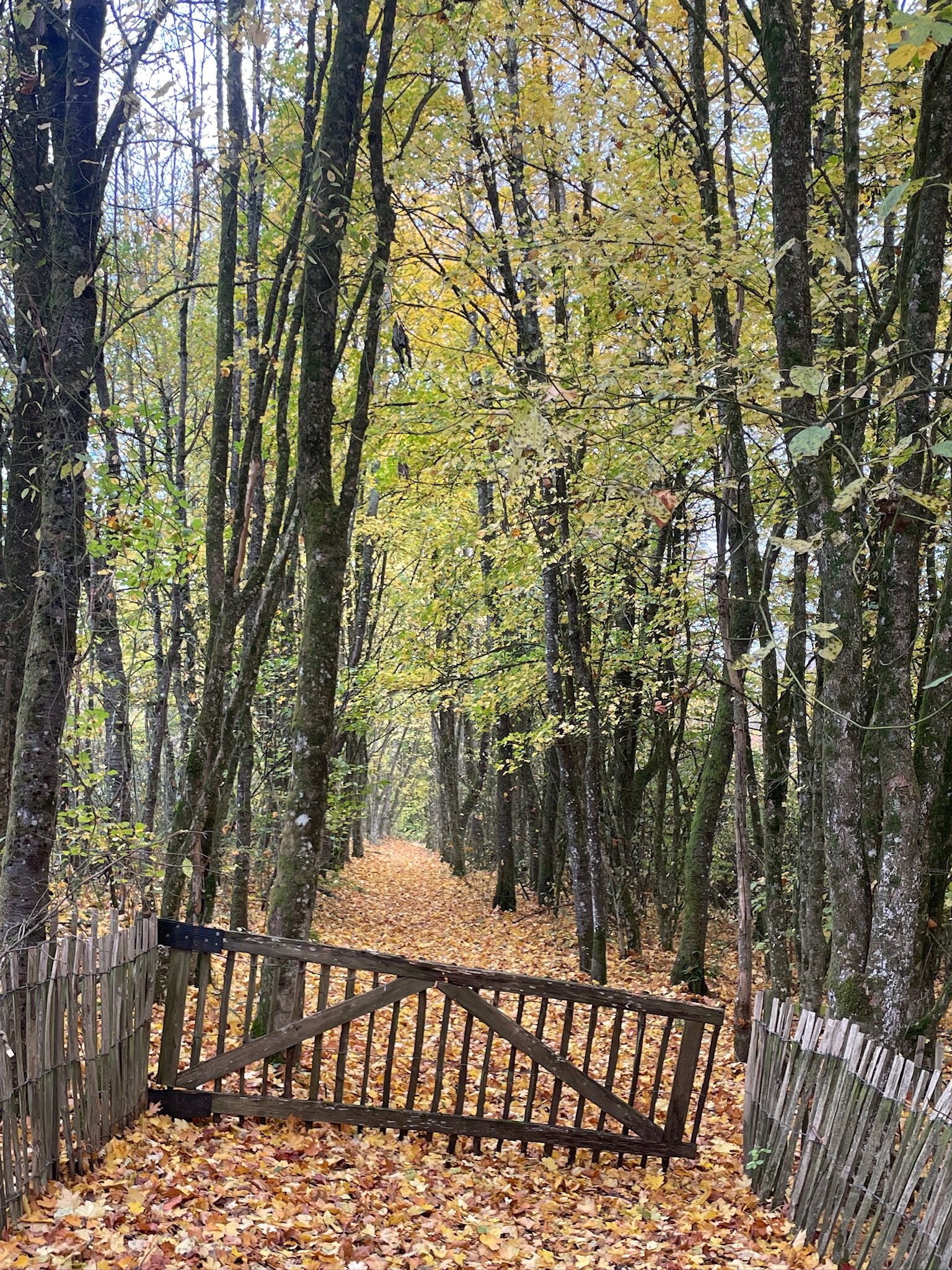
Vie à la Ferme — Lespinette Bio

An organic farm at the heart of the Foundation's field activities. Agroecological innovations, local partnerships, and direct community engagement in Wallonia.

Une ferme biologique au cœur des activités de terrain de la Fondation. Innovations agroécologiques, partenariats locaux et engagement communautaire direct en Wallonie.

Een biologische boerderij als kern van de veldactiviteiten van de Stichting. Agroecologische innovaties, lokale partnerschappen en directe gemeenschapsbetrokkenheid in Wallonië.

🌍 Wallonia & EuropeWallonie & EuropeWallonië & Europa

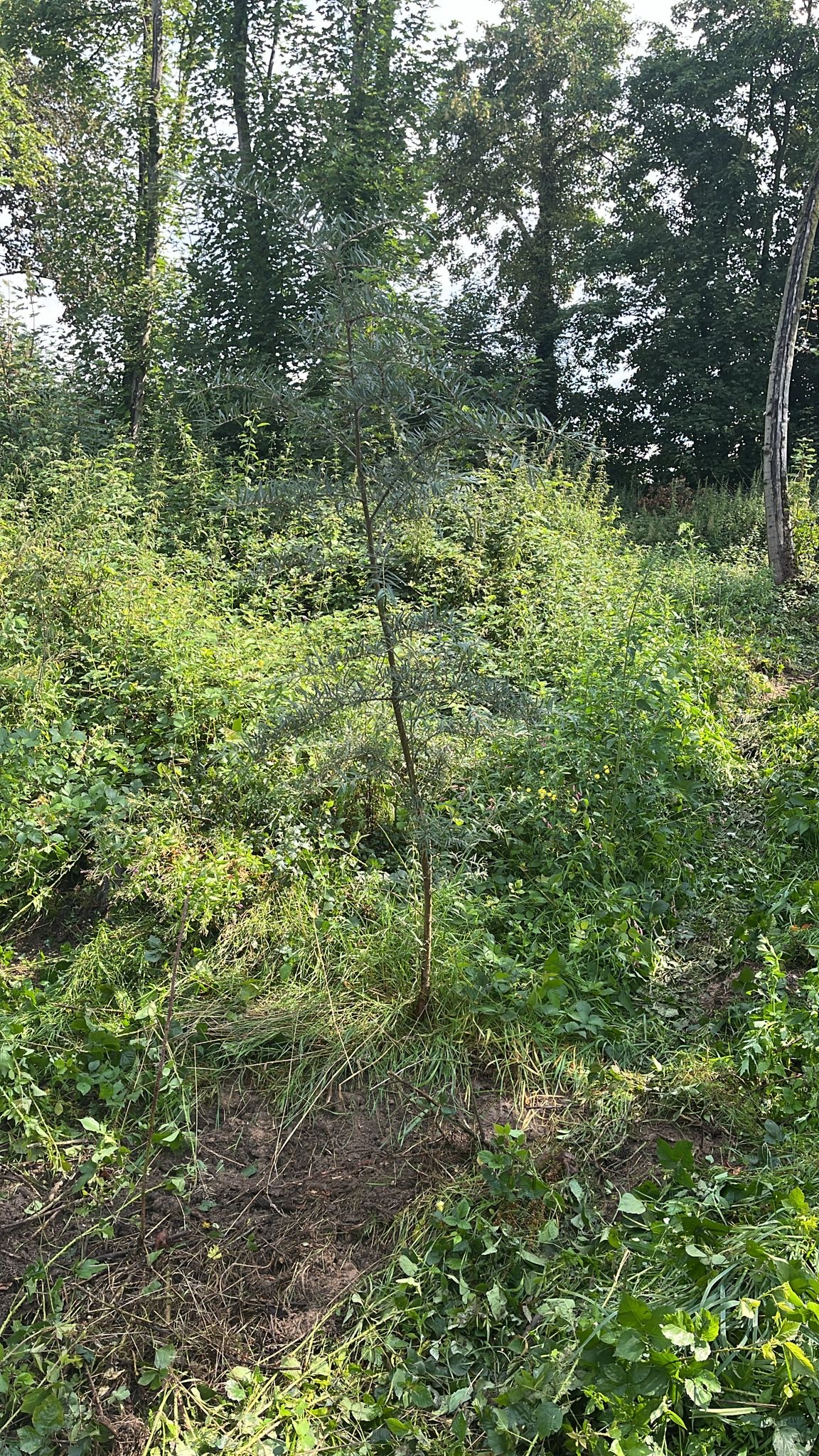
Restoring Farmland & Forests in Wallonia and Europe Restaurer terres et forêts en Wallonie et en Europe Landbouwgronden en bossen herstellen in Wallonië en Europa

Supporting agroforestry and nature-based solutions across European farmlands, aligned with the EU Nature Restoration Law and Biodiversity Strategy 2030.

Soutenir l'agroforesterie et les solutions fondées sur la nature dans les terres agricoles européennes, aligné sur la Loi européenne pour la restauration de la nature.

Agrobosbouw en op de natuur gebaseerde oplossingen ondersteunen op Europese landbouwgronden, afgestemd op de EU Natuurherstelwet en de Biodiversiteitsstrategie 2030.

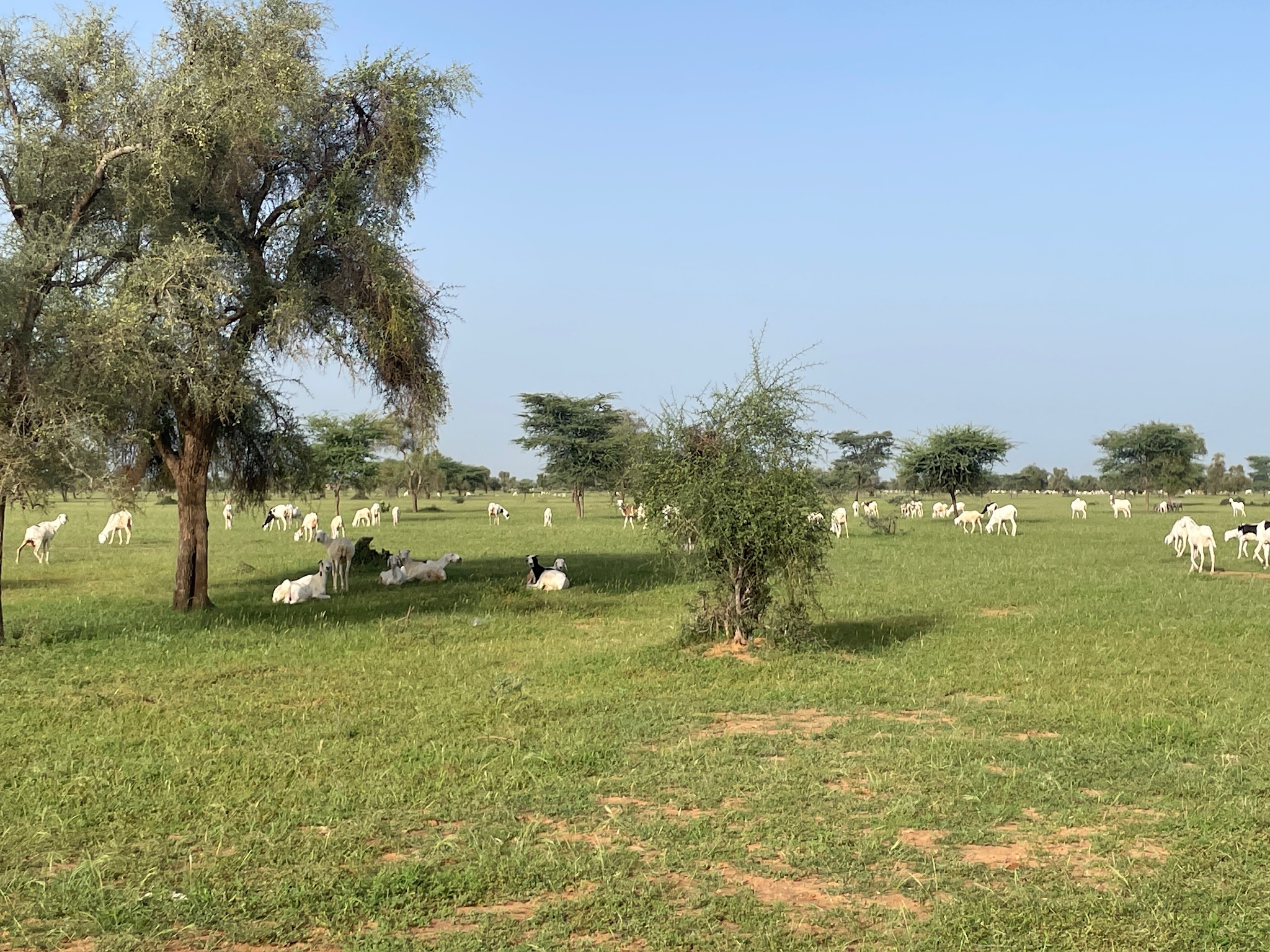
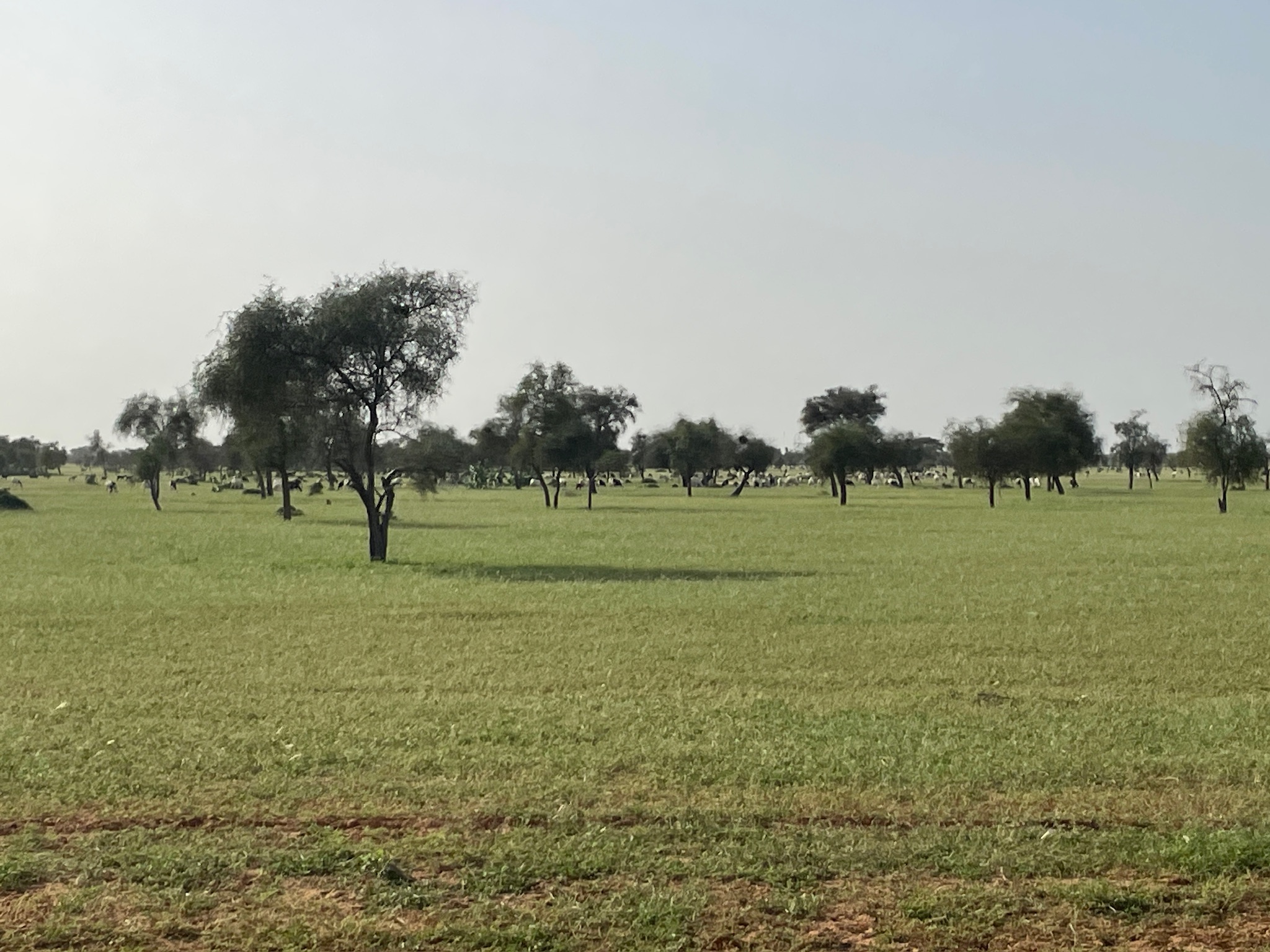
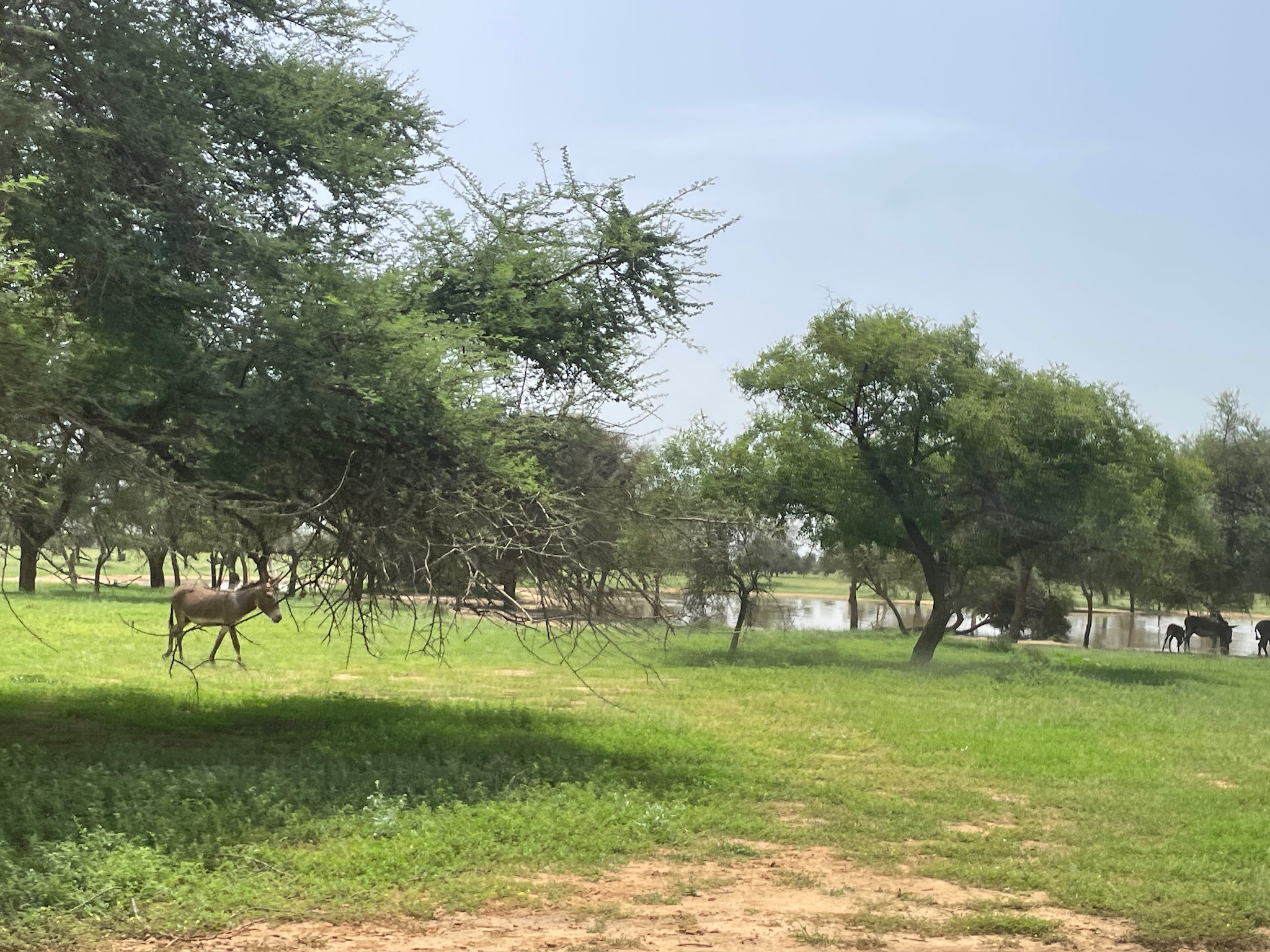
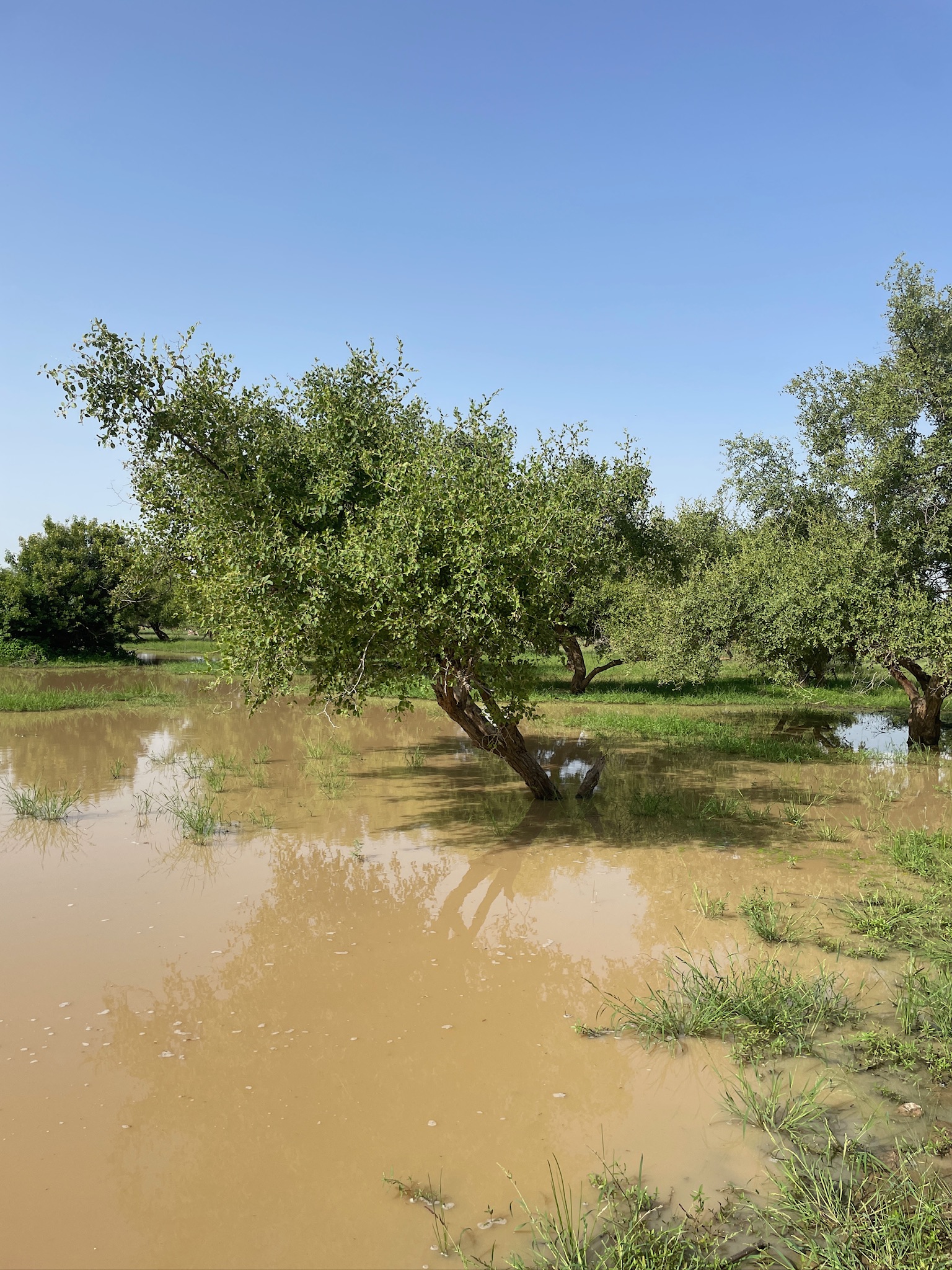
🌱 Senegal — Enda Pronat

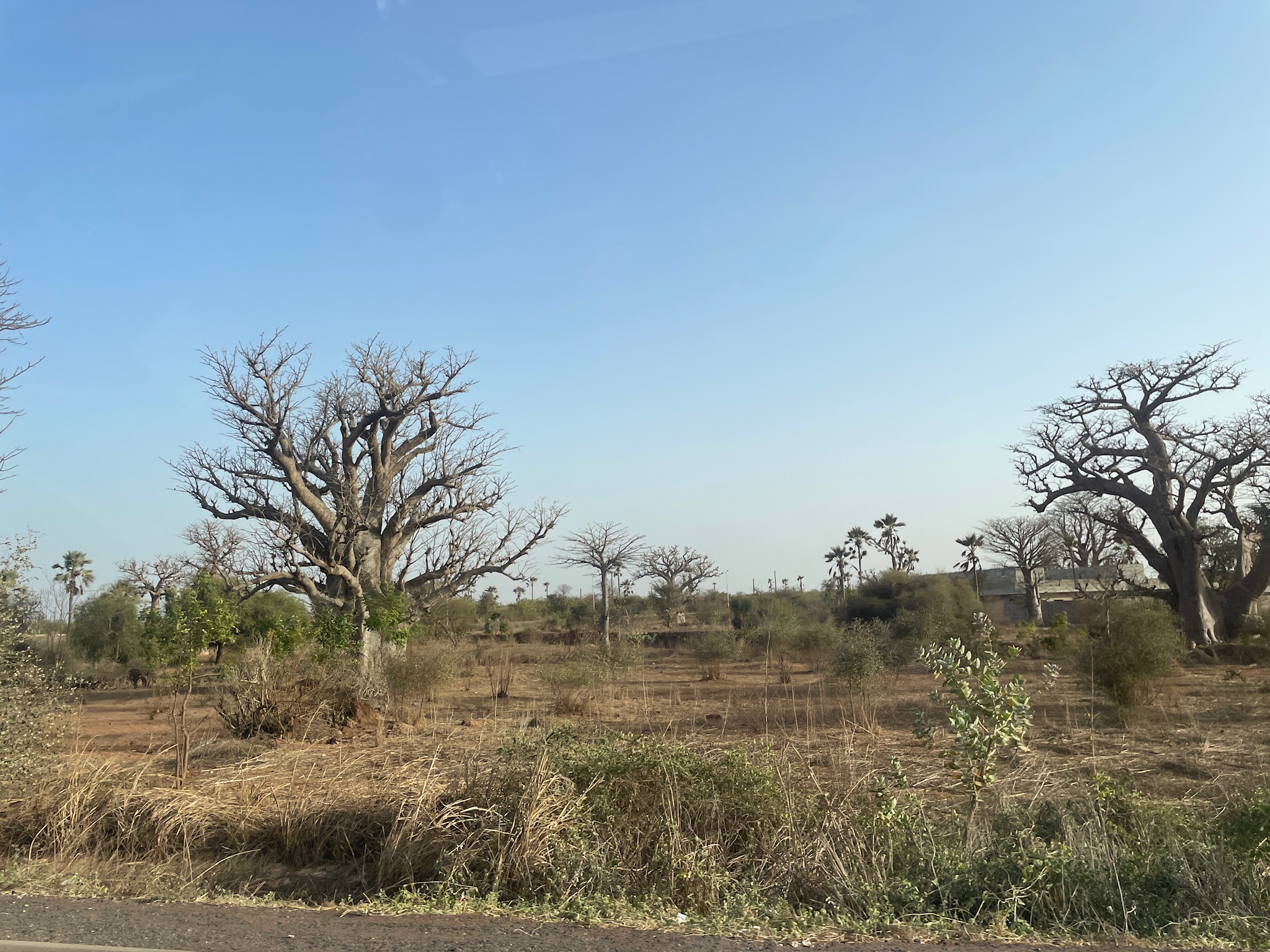
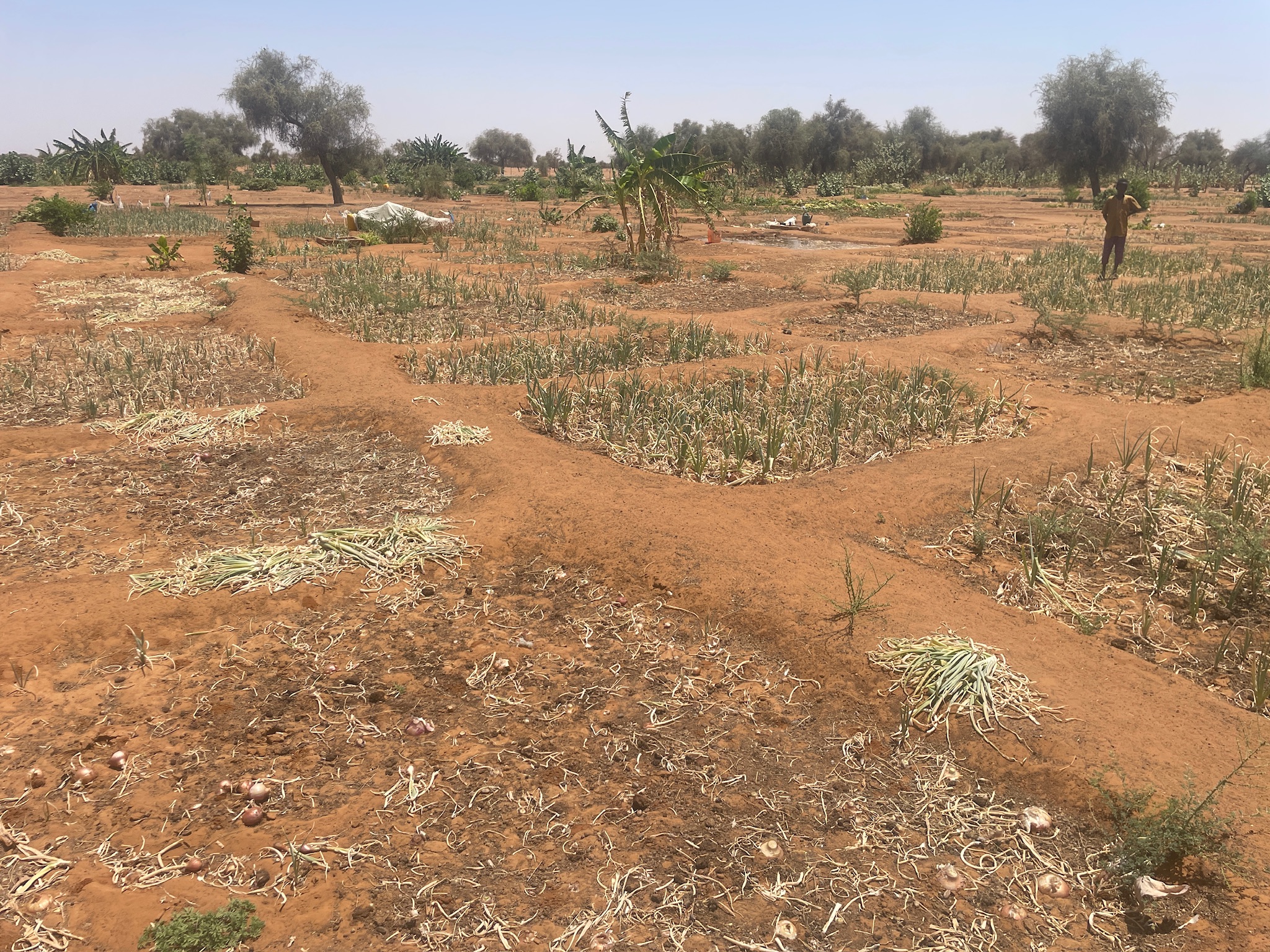
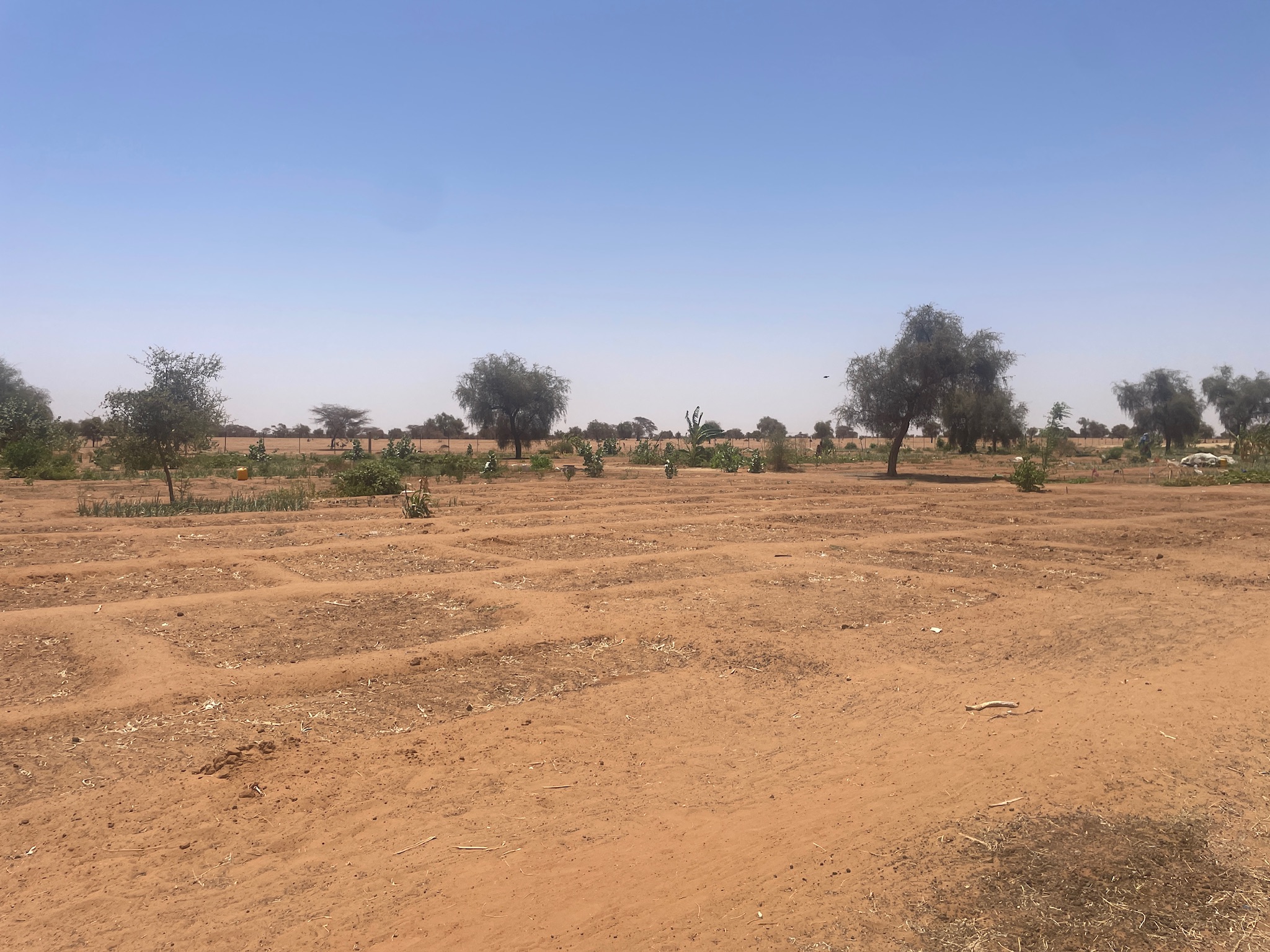
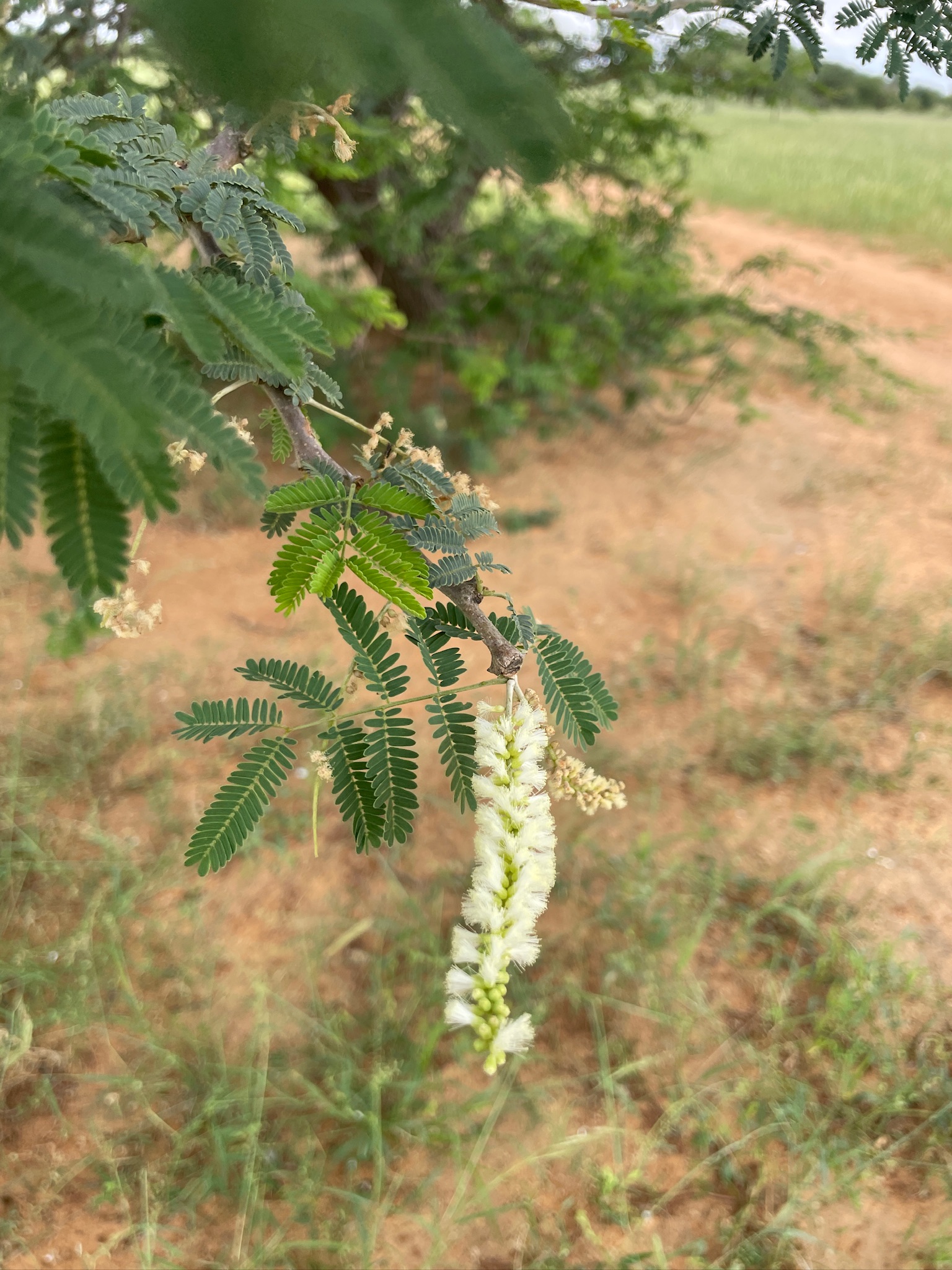
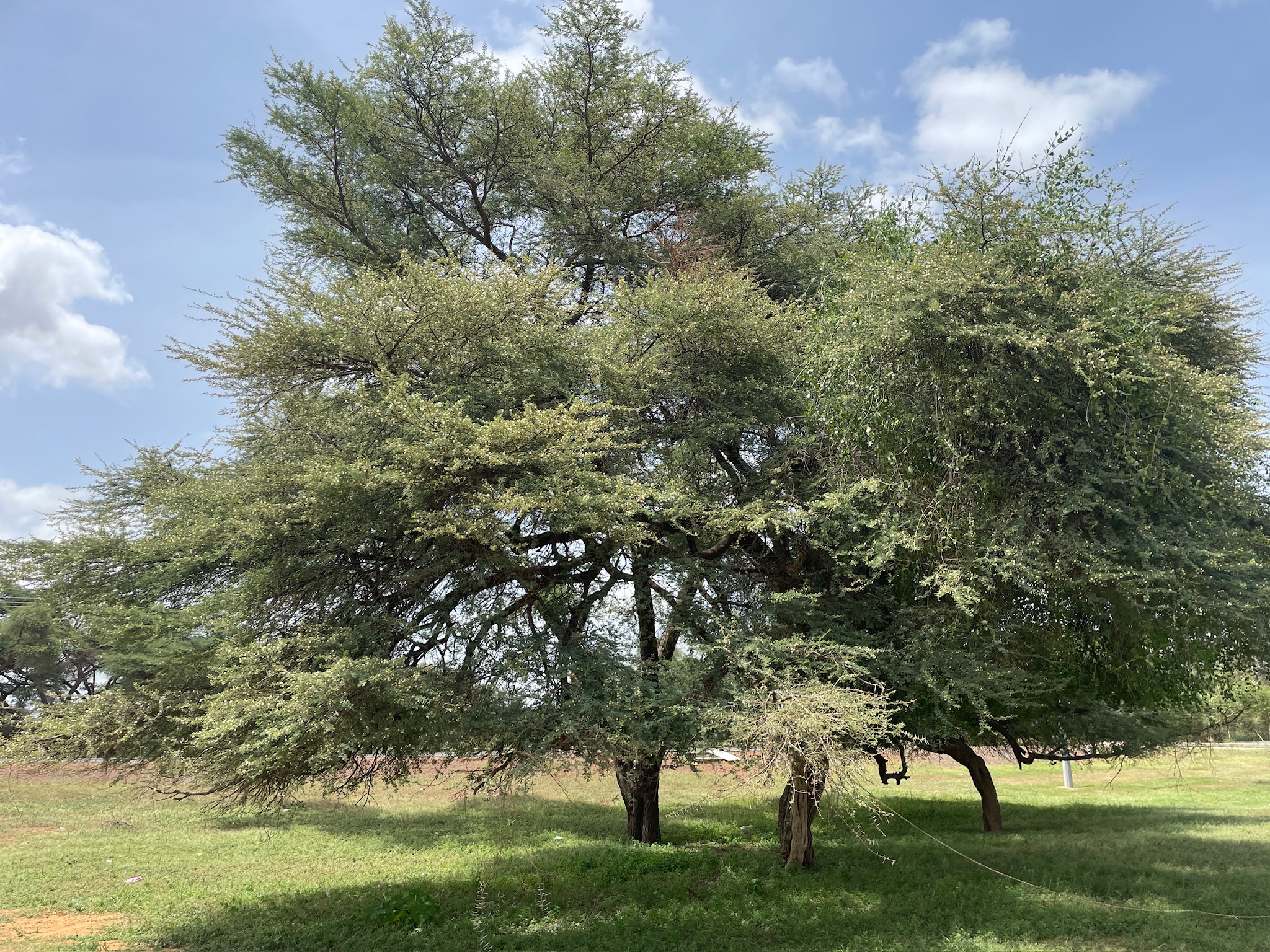
Restoring Farmland & Forest in the Sahel Restaurer terres et forêts au Sahel Landbouwgronden en bossen herstellen in de Sahel

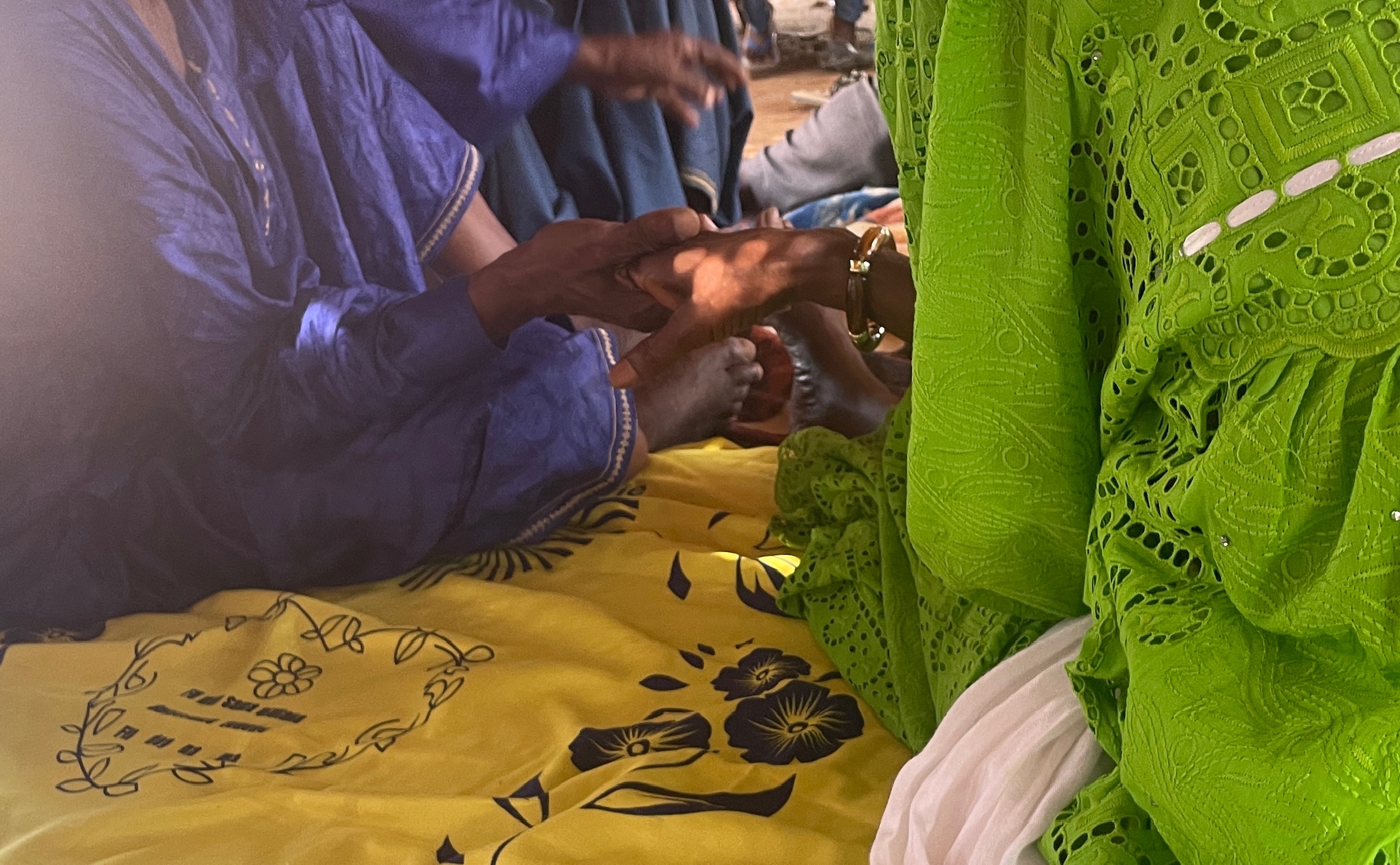
In partnership with Enda Pronat in northern Senegal, empowering Sahelian farming communities — especially women — through agroecology and forest restoration.

En partenariat avec Enda Pronat au nord du Sénégal, autonomiser les communautés agricoles sahéliennes — notamment les femmes — grâce à l'agroécologie et à la restauration forestière.

In samenwerking met Enda Pronat in Noord-Senegal empoweren we Saheliaanse landbouwgemeenschappen — met name vrouwen — door agroecologie en bosbostel.

The Evidence Les preuves Het bewijs

Why Our Work Matters Pourquoi notre action est essentielle Waarom ons werk telt

Seven key reasons grounded in science, economics and urgent global necessity. Sept raisons clés ancrées dans la science, l'économie et l'urgence mondiale. Zeven sleutelredenen gegrond in wetenschap, economie en mondiale urgentie.

1

Good farming benefits both people and the planet Une bonne agriculture profite aux personnes et à la planète Goede landbouw is goed voor mensen én planeet

+

Rural communities face converging crises: degraded soils, climate upheavals, biodiversity loss, threatened ecosystem services, shrinking economic opportunities and accelerating rural emigration. Environmental restoration and economic development reinforce each other — investing in farmers and foresters for land restoration addresses poverty, food security and most ongoing environmental crises simultaneously.

Les communautés rurales font face à des crises convergentes : sols dégradés, bouleversements climatiques, perte de biodiversité et exode rural accéléré. Restauration environnementale et développement économique se renforcent mutuellement.

Plattelandsgemeenschappen staan voor convergerende crises: gedegradeerde bodems, klimaatverstoringen, verlies van biodiversiteit en versnelde plattelandsemigratie. Milieuherstel en economische ontwikkeling versterken elkaar — investeren in boeren en bosbouwers voor landherstel pakt armoede, voedselzekerheid en de meeste lopende milieucrises tegelijk aan.

2

We depend on nature like a child to her mother Nous dépendons de la nature comme un enfant de sa mère Wij zijn afhankelijk van de natuur zoals een kind van zijn moeder

+
"50% of the global economy is under threat from biodiversity loss" — World Economic Forum, 2020
"72% of European companies depend directly or indirectly on biodiversity" — European Central Bank, 2024

Banks, insurers and companies need to de-risk their economic model. Investing in nature-based solutions prevents climate and ecosystem collapse — stopping erosion of value chains, property values and rising insurance claims.

Les banques, assureurs et entreprises doivent réduire leur exposition au risque : investir dans des solutions fondées sur la nature peut prévenir l'effondrement climatique et écosystémique.

Banken, verzekeraars en bedrijven moeten hun economisch model ontrisken. Investeren in op de natuur gebaseerde oplossingen voorkomt klimaat- en ecosysteeminstorting — en stopt de erosie van waardeketens en stijgende verzekeringsclaims.

3

Action is urgent: now or too late L'action est urgente : maintenant ou jamais Actie is dringend: nu of nooit

+
"Extreme weather events, biodiversity loss and ecosystem collapse are the top 2 most severe global risks within 10 years" — WEF Global Risks Report 2026

Ecosystems need time to recover. Planting young trees will not compensate for cutting mature forests — for centuries. No amount of money can replace extinct insects, destroyed soils and forests that feed us and let us breathe and drink.

Les écosystèmes ont besoin de temps pour se rétablir. Planter de jeunes arbres ne compensera pas l'abattage de forêts matures — pendant des siècles. Aucune somme d'argent ne peut remplacer les insectes éteints et les forêts détruites.

Ecosystemen hebben tijd nodig om te herstellen. Jonge bomen planten zal het kappen van volwassen bossen niet compenseren — voor eeuwen. Geen enkel bedrag kan uitgestorven insecten, vernietigde bodems en bossen vervangen die ons voeden en laten ademen.

4

The international political agenda supports action L'agenda politique international soutient l'action De internationale politieke agenda steunt actie

+

The Global Biodiversity Framework (COP15, Montréal 2022) commits 196 countries to protect 30% of land and sea by 2030. The EU Nature Restoration Law sets binding targets to restore 20% of EU land and sea by 2030. The UN Decade on Ecosystem Restoration (2021–2030) mobilizes global finance for biodiversity.

Le Cadre mondial pour la biodiversité (COP15, Montréal 2022) engage 196 pays à protéger 30 % des terres et des mers d'ici 2030. La Loi européenne pour la restauration de la nature fixe des objectifs contraignants pour restaurer 20 % des terres et mers de l'UE d'ici 2030.

Het Globale Biodiversiteitskader (COP15, Montreal 2022) verbindt 196 landen om 30% van land en zee te beschermen tegen 2030. De EU Natuurherstelwet stelt bindende doelstellingen om 20% van EU-land en -zee te herstellen tegen 2030.

5

We focus on changing food systems to restore nature Nous ciblons les systèmes alimentaires pour restaurer la nature Wij richten ons op voedselsystemen om de natuur te herstellen

+

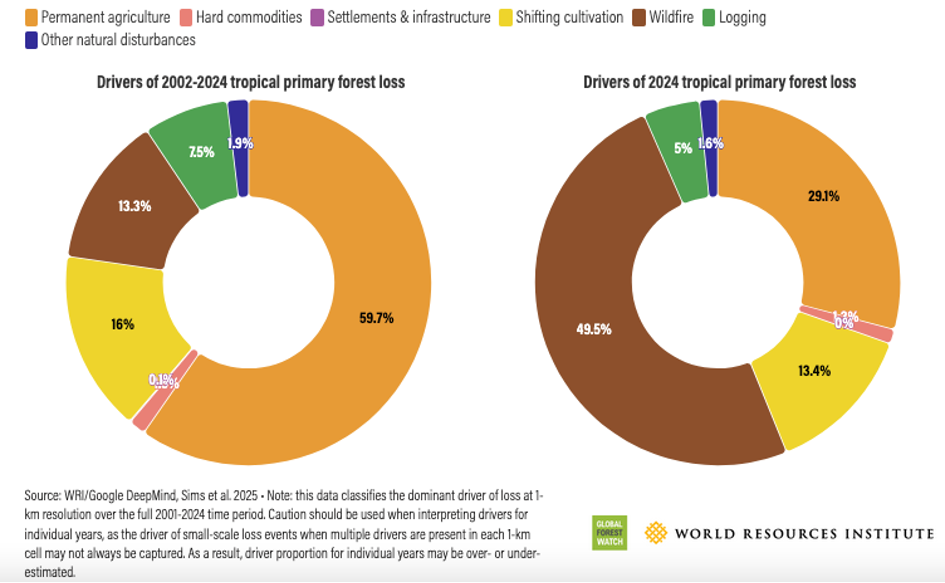
Over 85% of emerged lands are degraded. Agriculture is the single largest cause of nature loss. Forests — home to most of Earth's biodiversity — are mostly burned for farming, especially for meat production. Understanding root causes is the key to real solutions.

Plus de 85 % des terres émergées sont dégradées. L'agriculture est la principale cause de la perte de nature. Les forêts — qui abritent la majorité de la biodiversité terrestre — sont principalement brûlées pour l'agriculture, notamment la production de viande.

Meer dan 85% van de opgerezen landen is gedegradeerd. Landbouw is de grootste oorzaak van natuurverlies. Bossen — thuis voor de meeste biodiversiteit op aarde — worden grotendeels verbrand voor de landbouw, met name voor vleesproductie.

6

Agroecology: feeding the world while restoring nature L'agroécologie : nourrir le monde en restaurant la nature Agroecologie: de wereld voeden én de natuur herstellen

+

A 2026 groundbreaking study synthesized 120 years of data from 18,000 original studies. Over 20 years, agroecological practices increase profitability by 180%, boost biodiversity by 60%, and raise pollination services by up to 600% — while maintaining yields.

Une étude révolutionnaire de 2026 a synthétisé 120 ans de données issues de 18 000 études : sur 20 ans, les pratiques agroécologiques augmentent la rentabilité de 180 %, la biodiversité de 60 %, et les services de pollinisation jusqu'à 600 %.

Een baanbrekende studie uit 2026 synthetiseerde 120 jaar data uit 18.000 originele studies. Over 20 jaar verhogen agroecologische praktijken winstgevendheid met 180%, biodiversiteit met 60%, en bestuivingsdiensten met tot 600% — terwijl de opbrengsten gehandhaafd blijven.

7

Our diet needs very little meat for health and environment Notre alimentation nécessite très peu de viande pour notre santé et l'environnement Ons dieet heeft weinig vlees nodig voor gezondheid en milieu

+

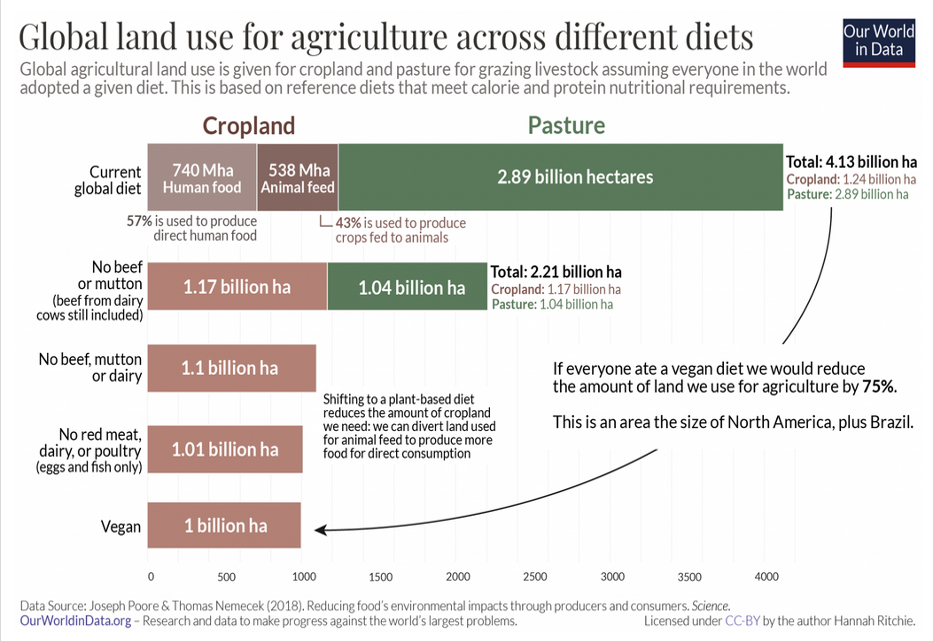
Meat production takes ~75% of our agricultural land but produces only 18% of our calories and 37% of our proteins. Removing beef and sheep from our diets would reduce by 50% the land needed to feed us all, immediately solving the biodiversity crisis on land.

La production de viande occupe ~75 % de nos terres agricoles mais ne produit que 18 % de nos calories et 37 % de nos protéines. Retirer le bœuf et le mouton de notre alimentation réduirait de 50 % la superficie nécessaire pour nous nourrir.

Vleesproductie neemt ~75% van ons landbouwland in beslag maar produceert slechts 18% van onze calorieën en 37% van onze eiwitten. Het schrappen van rundvlees en schapen uit ons dieet zou de benodigde grond met 50% verminderen.

Reducing meat also reduces methane emissions — a greenhouse gas 80× more potent than CO₂ over 20 years — producing rapid climate benefits.

Réduire la viande diminue aussi les émissions de méthane — un gaz 80 fois plus puissant que le CO₂ sur 20 ans.

Het verminderen van vlees vermindert ook methaanuitstoot — een broeikasgas 80× krachtiger dan CO₂ over 20 jaar — met snelle klimaatvoordelen.

Make an Impact Créer un impact Maak een verschil

Invest in Nature Investir dans la nature Investeer in de natuur

"Invest in nature, because you need her." « Investissez dans la nature, parce que vous en avez besoin. » "Investeer in de natuur, want u heeft haar nodig."

The Foundation offers fiscal advantages for donors and investors. Join our mission to regenerate nature and build resilient economies across Wallonia, Europe and West Africa. La Fondation offre des avantages fiscaux aux donateurs et investisseurs. Rejoignez notre mission pour régénérer la nature et construire des économies résilientes en Wallonie, en Europe et en Afrique de l'Ouest. De Stichting biedt fiscale voordelen voor donateurs en investeerders. Sluit u aan bij onze missie om de natuur te herstellen en veerkrachtige economieën op te bouwen in Wallonië, Europa en West-Afrika.

✉️

Contact usContactez-nousContacteer ons

caroline@generationsbio.org
🌾

Our farmNotre fermeOnze boerderij

lespinettebio.be
💚

Fiscal advantages availableAvantages fiscaux disponiblesFiscale voordelen beschikbaar

Ask usRenseignez-vousVraag ons